
 EN
EN
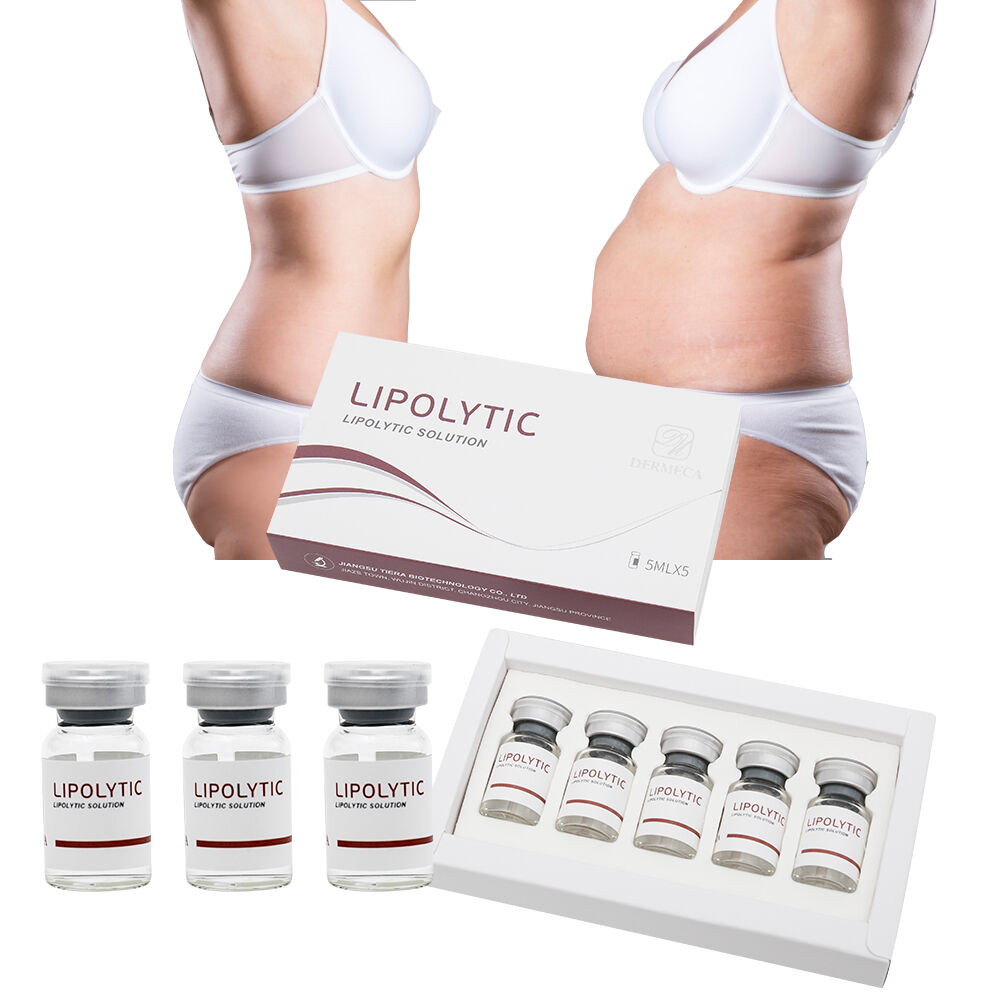
Why Personalization Is Essential for Effective Fat Loss Injections
Rising demand for nonsurgical fat reduction driven by individualized aesthetic goals
Patients increasingly seek customized nonsurgical fat reduction treatments. Over 62% of potential clients prioritize treatments aligned with their specific body contouring objectives before committing (ASDS Patient Survey 2023). This reflects a broader shift toward personalized aesthetic medicine—where protocol selection, from deoxycholate-based injections to phospholipid solutions, is determined by unique patient factors rather than standardized approaches. Anatomical variation and aesthetic priorities necessitate distinct formulation strategies.
How body composition, fat distribution, and metabolic profile determine injection efficacy
Metabolic and structural differences significantly influence fat loss injection outcomes. Adipocyte density and vascularization affect medication dispersion and absorption, per pharmacokinetic studies. For instance:
- Visceral-dominant patients require concentration adjustments due to altered diffusion barriers
- Lipoedema presentations show reduced phospholipid efficacy compared to standard subcutaneous fat
Pre-treatment assessment—including body composition analysis and metabolic screening—is essential. Clinicians must adjust phosphatidylcholine-to-deoxycholate ratios based on tissue characteristics—not generic protocols—to ensure both efficacy and safety compliance.
Tailoring Fat Loss Injections by Anatomical Area and Client Profile
A one-size-fits-all approach fails in nonsurgical fat reduction because fat deposits differ in composition, depth, and response to active ingredients. Customizing fat loss injections by target area and client profile improves outcomes and reduces side effects. The two dominant strategies—FDA-approved agents for small fat pockets and compounded phosphatidylcholine formulations for larger areas—each have distinct rationales grounded in anatomy and evidence.
Submental Fat: Evidence-based Kybella® Protocols vs. Compounded Alternatives
Submental fat—the “double chin”—is the most commonly treated area for injectable fat removal. Kybella® (deoxycholic acid) remains the sole FDA-approved injectable for this indication, supported by three pivotal Phase-III trials showing a 68% responder rate after 2–4 sessions (2015 FDA label). Standard protocols use 0.2–0.4 mL per injection site spaced 1 cm apart, with at least four weeks between treatments.
Compounded alternatives—such as phosphatidylcholine plus deoxycholic acid mixtures—are used off-label but lack standardized dosing and safety data. A 2022 systematic review found a two-fold higher incidence of prolonged edema and nerve injury with compounded products, reinforcing that Kybella®’s rigorously established dose-response relationship remains the gold standard for submental reduction.
Flank, Inner Thigh, and Abdominal Regions: Phosphatidylcholine-Based Formulations and Dosing Rationale
For larger, subcutaneous fat deposits on the flanks, inner thighs, and abdomen, phosphatidylcholine (PPC)-based injections are the primary clinical approach. PPC emulsifies triglycerides to support lymphatic clearance. Dosing follows a linear relationship: typical protocols deliver 250–500 mg per session, distributed across 3–5 cm injection grids. A 2023 retrospective study of 120 patients reported average circumference reductions of 3.2 cm (flanks) and 2.8 cm (inner thighs) after 4–6 sessions.
Unlike Kybella®, which targets fixed volumes per site, PPC dosing is calibrated to fat thickness (measured via caliper or ultrasound) and skin laxity. Clients with lower elasticity require fewer sessions spaced further apart to avoid contour irregularities. Vascularity also guides technique—abdominal fat, for example, demands shallower injections to prevent intra-abdominal deposition.
Optimizing Treatment Frequency and Safety Through Client-Specific Assessment
Session spacing and total sessions guided by skin elasticity, fat volume, and prior treatment response
Treatment intervals and session count must be calibrated precisely to anatomical variables. Providers assess skin retraction capacity using pinch tests or imaging; a 50% loss in elasticity may warrant 60-day intervals to support dermal recovery (Aesthetic Surgery Journal 2023). Areas exceeding 2.5 cm subcutaneous depth often receive sequenced high-volume sessions—typically five or more at four-week intervals—to enable gradual remodeling, whereas thinner deposits resolve in 1–3 sessions. Historical response patterns directly inform protocol adjustments: clients achieving >45% adipose reduction after two treatments may benefit from accelerated timelines, while non-responders trigger formulation reassessment before proceeding. This iterative, physiology-guided process ensures metabolic processing keeps pace with treatment intensity—maximizing efficacy and minimizing adverse events.
Risk-mitigated customization: BMI <30, weight stability, and contraindication screening protocols
Safety-first personalization integrates validated physiological parameters and exclusion criteria. Evidence-based guidelines restrict treatment to clients with BMI ≤30, given the demonstrated correlation between higher adiposity and prolonged inflammation risk (Plastic & Reconstructive Surgery 2024). Weight trajectory analysis is mandatory, requiring 90-day stability to prevent post-treatment volumetric distortion. Pre-procedural screening includes:
- Metabolic contraindication assessment: Liver enzyme panels and lipid profiles to exclude active hepatic conditions
- Pharmacological interactions: Documented incompatibility with anticoagulants or corticosteroid therapies
- Dermal integrity evaluation: Active infections or scarring disorders warrant deferral until resolution
These multilayered protocols reduced complication rates by 62% across three major clinical trials, establishing BMI ceilings and comprehensive health verification as non-negotiable safety foundations.
FAQ Section
Why is personalization important in fat loss injections?
Personalization ensures treatments align with unique patient factors like body composition, fat distribution, and metabolic profile, optimizing efficacy and reducing risks.
What factors influence the effectiveness of fat loss injections?
Adipocyte density, vascularization, fat distribution, and metabolic profiles significantly affect treatment outcomes. Pre-treatment assessments are crucial for tailoring protocols.
What is the difference between Kybella® and phosphatidylcholine-based formulations?
Kybella® is FDA-approved for submental fat with established dose-response protocols, while phosphatidylcholine-based formulations are used for larger areas but lack standardization.
Are there risks involved in fat loss injections?
Potential risks include inflammation, edema, and nerve injury, but these can be minimized through proper client assessments, BMI restrictions, and personalized treatment plans.
How is treatment frequency determined?
Treatment frequency is personalized based on factors like skin elasticity, fat volume, prior responses, and anatomical considerations to ensure safety and effectiveness.