
 EN
EN
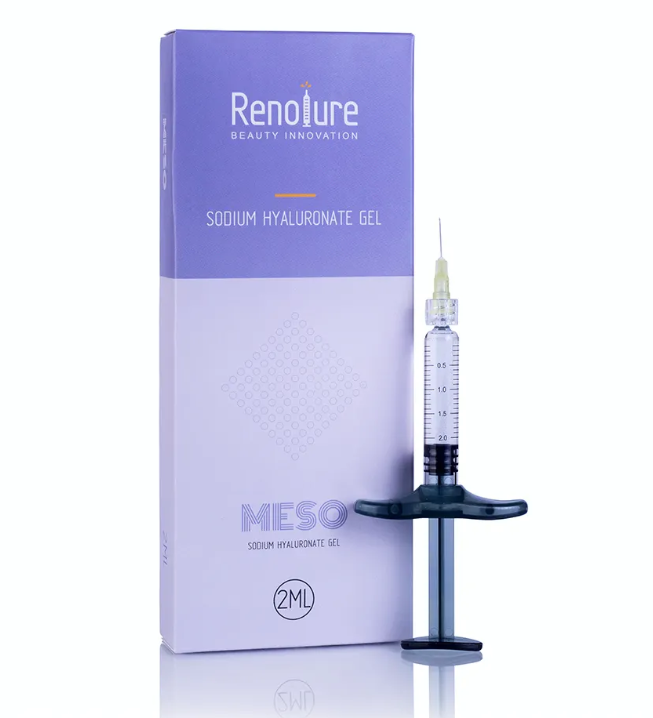
Core Mechanisms: How Mesotherapy and Skinboosters Complement Each Other
Divergent Delivery Pathways, Convergent Biological Outcomes
Mesotherapy involves injecting custom mixtures of vitamins, peptides and antioxidants into the middle layer of skin through tiny needles or shallow injections. Skinboosters work differently though they rely on super thin tubes called cannulas to deliver stable hyaluronic acid straight into deeper skin layers. Even though these treatments get substances into the skin in different ways, they actually trigger similar healing processes inside the body including stimulating fibroblasts and building up what's known as the extracellular matrix. Putting them together makes quite a difference according to recent studies showing about 35 percent more collagen and nearly 28 percent extra elastin compared to just one treatment alone as reported in Dermatology Science Review back in 2023. The reason this works so well is that mesotherapy basically gets the skin ready at a cellular level, making it easier for the skinboosters to do their job and keeping those hydration benefits going longer too.
Synergistic Hydration, Bio-stimulation, and ECM Remodeling
When combining mesotherapy with skinboosters, we see three main benefits working together: better hydration, cell activation, and stronger skin structure. The low molecular weight hyaluronic acid found in skinboosters grabs onto moisture right away in the outer layer of skin. Meanwhile, the growth factors delivered through mesotherapy, like TGF-beta, get to work stimulating those fibroblasts to produce more collagen types I and III. Both treatments share amino acid complexes that help keep the extracellular matrix stable. These complexes actually boost production of inhibitors against matrix metalloproteinases (MMPs), which helps stop collagen from breaking down so quickly. All these processes happen simultaneously under the skin's surface, leading to visible improvements over time.
- Hydration Amplification: HA matrices retain up to 1000x their weight in water
- Bio-Stimulation: Peptides elevate fibroblast metabolic activity by 40%
- Structural Reinforcement: Newly synthesized collagen organizes into biomechanically resilient basket-weave patterns
Together, these processes reduce transepidermal water loss (TEWL) by 57% and improve objective elasticity metrics by 32% within eight weeks (Clinical Cosmetic Research 2024).
Strategic Ingredient Synergy in Mesotherapy–Skinbooster Protocols
Hyaluronic Acid Tiering: Low-MW for Penetration + High-MW for Sustained Hydration
Good skincare formulas make use of different sizes of hyaluronic acid molecules. The smaller ones, those under 50 kilodaltons, can get through the outer layer of skin pretty quickly. They give that immediate effect where the skin looks plumper and feels hydrated right away. Skincare experts often combine these small molecules with the really big ones, above 1,000 kilodaltons, which sit on top of the skin creating this kind of barrier that holds moisture in. When both types work together, studies show skin stays hydrated about 62% better than when only one type is used. This combination works well because it gives that instant glow we all want, plus keeps skin moisturized for days afterward. People with aging skin or those living in harsh climates tend to see the best results from this approach.
Peptide Amplification with GHK-Cu and Palmitoyl Tripeptide-5
When copper tripeptide-1 (GHK-Cu) gets combined with palmitoyl tripeptide-5 in mesotherapy treatments or skin boosters, they work together to send out regenerative messages to the skin. The GHK-Cu part helps control those enzymes that break down collagen so our bodies keep what we already have. Meanwhile, palmitoyl tripeptide-5 goes straight to the fibroblasts and tells them to start making fresh elastin. Studies indicate when these two are used together, type I collagen actually increases around 35 to 40% within about eight weeks, which beats what happens when only one of them is applied alone. For people concerned about their appearance, this special teamwork between collagen and elasticity really makes a difference in smoothing out those smile lines and giving better definition along the jaw area all without needing any kind of surgery.
Evidence-Based Clinical Protocol Design for Mesotherapy Integration
Sequential vs. Concurrent Administration: Key Findings from 12-Week Trials
Studies lasting around twelve weeks have shown some interesting differences when comparing how these treatments work over time. When patients get mesotherapy followed by skinboosters with about a week or two in between sessions, their skin shows about 23% better collagen growth compared to getting both at once. This spacing seems to help the body absorb ingredients properly and gives tissues time to recover before another treatment hits them. On the flip side, doing everything together cuts down the total time needed for all treatments by roughly 40%. However there's a catch too many people experience redness after concurrent treatments that goes away eventually but still feels uncomfortable during those first few days.
| Protocol | Collagen Improvement | Treatment Duration | Side Effect Incidence |
|---|---|---|---|
| Sequential | 23% higher | Extended | Lower erythema risk |
| Concurrent | Baseline+ | 40% shorter | Higher redness rates |
For patients prioritizing deep dermal restructuring, sequential delivery is preferred; concurrent scheduling suits time-sensitive maintenance regimens. Both approaches significantly outperformed monotherapies in hydration endpoints—and sequential administration delivered 15% higher patient satisfaction in long-term outcome assessments.
Patient Selection and Indication Mapping for Optimal Mesotherapy Outcomes
Skin Typing and Dermal Biomarkers Predicting Response
Getting good results really depends on properly categorizing patients based on specific measurable factors. The Fitzpatrick skin type system is actually pretty useful for figuring out how likely someone's skin is to show damage from light exposure, which then tells us what safe settings should be for energy levels or needle depths during treatments. What matters even more though are certain markers found in the deeper layers of skin. Things like MMP-1 activity levels and the ratio between collagen III and elastin can tell us if someone will respond well to those stimulating treatments. According to research published in the Journal of Cosmetic Dermatology last year, people whose skin shows higher signs of broken down elastin tend to produce about 40% more collagen after treatment. When we match these biological indicators with the right kinds of ingredients, like high molecular weight hyaluronic acid for skin that struggles with barriers, we see better results overall. This approach cuts down on how many sessions someone needs by around a quarter and also means fewer unwanted side effects for folks with sensitive skin types.