
 EN
EN
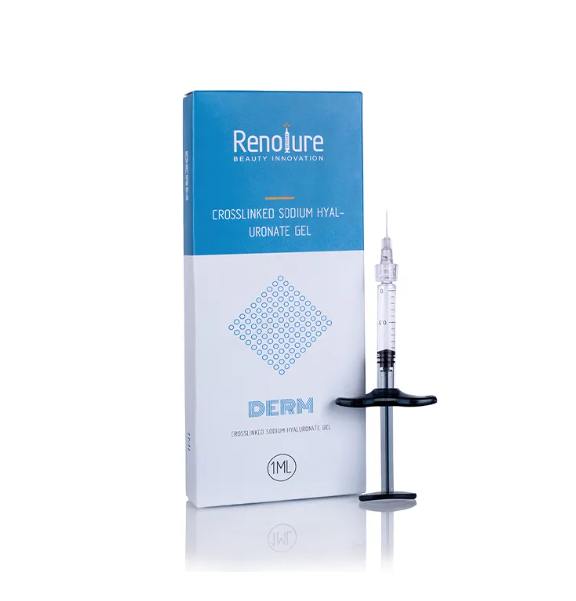
In the booming field of aesthetic medicine, hyaluronic acid dermal filler has become a go-to choice for people seeking to enhance their facial contours, smooth wrinkles and restore youthful plumpness to the skin. As a biocompatible and biodegradable material, hyaluronic acid is generally safe for most individuals, but allergy risks still exist and cannot be ignored. Jiangsu TIERA Biotechnology Co., Ltd., a professional manufacturer specializing in dermal filler and other aesthetic products, has been committed to exploring effective ways to control allergy risks while providing high-quality aesthetic solutions. This blog will delve into practical strategies to minimize allergy risks associated with hyaluronic acid dermal filler, combining professional insights and the advantages of premium dermal filler products.
Understanding Allergy Risks of Hyaluronic Acid Dermal Filler
Common Allergy Reactions and Their Causes
Allergy reactions related to hyaluronic acid dermal filler usually range from mild to severe. Mild reactions include temporary redness, swelling, itching and tenderness at the injection site, which may be caused by the body’s initial response to the foreign substance or minor irritation during injection. Severe reactions such as persistent swelling, hives, difficulty breathing and even anaphylaxis are relatively rare, and they are often associated with factors like product impurities, improper product formulation or individual hypersensitivity to components in the dermal filler, such as lidocaine added to some products for pain relief.
Factors Influencing Allergy Risks
Several key factors can affect the likelihood of allergy reactions to hyaluronic acid dermal filler. First, individual physical conditions play a vital role. People with a history of allergies to hyaluronic acid or related substances, as well as those with sensitive skin or autoimmune diseases, are at a higher risk. Second, the quality of the dermal filler itself is a fundamental factor. Inferior dermal filler products may contain unpurified hyaluronic acid, harmful additives or inconsistent cross-linking levels, which can significantly increase allergy risks. Third, improper injection techniques, such as incorrect injection depth, dosage or site, can also trigger abnormal reactions in the body, which may be mistaken for allergies.
Pre Treatment Measures to Minimize Allergy Risks
Conduct Comprehensive Patient Assessment
Before any dermal filler injection, a thorough patient assessment is essential. Medical practitioners should take a detailed medical history of the patient, including past allergy history, current medications, chronic diseases and cosmetic treatment experience. For patients with a history of severe allergies, extra caution is required, and a comprehensive allergy evaluation should be conducted. Jiangsu TIERA Biotechnology Co., Ltd. always recommends that medical institutions carry out strict patient screening to ensure that the use of hyaluronic acid dermal filler is suitable for each individual.
Perform Skin Patch Tests
Skin patch tests are a reliable way to predict individual sensitivity to hyaluronic acid dermal filler. A small amount of the dermal filler product to be used should be injected into a small area of the patient’s skin, usually the inner arm, and then observe the skin reaction within 24 to 48 hours. If there is no obvious redness, swelling or itching at the test site, the risk of allergy is relatively low. All dermal filler products produced by TIERA have undergone rigorous clinical testing based on CFDA standards, which can provide a solid basis for safe skin patch tests.
In Treatment Safety Protocols for Hyaluronic Acid Dermal Filler
Choose High Quality Dermal Filler Products
Selecting high-quality hyaluronic acid dermal filler is the first line of defense against allergy risks. Jiangsu TIERA Biotechnology Co., Ltd. is equipped with high-end production facilities and advanced laboratories, ensuring that every batch of dermal filler products meets strict quality standards. The company’s product line includes crosslinked hyaluronic acid fillers, such as the monophasic Fillarina series and biphasic Dermeca series, all of which are manufactured with patented technologies and premium raw materials. These products have obtained ISO13485 and MDSAP certificates, proving their compliance with international quality and safety requirements. Using such qualified dermal filler products can greatly reduce the probability of allergy caused by product quality problems.
Ensure Professional Injection Operation
Professional and standardized injection operation is crucial to controlling allergy risks. Injections should only be performed by qualified and experienced medical practitioners who are familiar with the anatomy of injection sites and the characteristics of different hyaluronic acid dermal filler products. During the injection process, practitioners should strictly control the dosage and depth, avoid injecting into blood vessels and follow the recommended injection procedures. TIERA’s professional sales team and technical support team often provide training to medical institutions on the correct use of its dermal filler products, helping practitioners master standardized operation skills.
Post Treatment Care for Reducing Allergy Reactions
Establish Post Injection Observation Period
After the hyaluronic acid dermal filler injection, patients should be required to stay for observation for at least 30 minutes. This observation period allows medical practitioners to promptly detect and handle any immediate allergy reactions, such as sudden swelling or difficulty breathing. In case of mild reactions, cold compresses can be applied to relieve discomfort; for severe reactions, emergency treatment measures should be taken immediately, such as administering antihistamines or epinephrine.
Provide Detailed Post Treatment Care Guidelines
Medical practitioners should provide patients with clear post treatment care guidelines to help them reduce the risk of delayed allergy reactions. Patients should be advised to avoid touching, pressing or massaging the injection site within 24 hours after treatment, and stay away from high temperature environments such as saunas and sunbathing. They should also avoid taking anti-inflammatory drugs or anticoagulants without medical advice, as these drugs may increase the risk of swelling and bruising. In addition, patients should be informed to contact their doctors immediately if they experience any unusual symptoms, such as persistent redness, swelling or pain, after returning home.
Quality Dermal Filler as a Fundamental Safeguard
The quality of hyaluronic acid dermal filler is the core factor in controlling allergy risks. Jiangsu TIERA Biotechnology Co., Ltd. adheres to strict quality control throughout the production process, from raw material selection to finished product inspection. The company’s dermal filler products are exported to many countries and regions including the United States, Canada, Australia, Europe, the Middle East and South Africa, and have gained wide recognition from customers for their safety and effectiveness. TIERA also welcomes OEM orders, providing customized dermal filler solutions while maintaining consistent quality standards. The company’s full clinical data, based on CFDA standards, fully demonstrates the safety and effectiveness of its products, giving medical practitioners and patients double assurance.
Conclusion
Controlling allergy risks of hyaluronic acid dermal filler is a systematic project that involves pre treatment assessment, in treatment operation and post treatment care. By choosing high-quality dermal filler products, conducting comprehensive patient screening, performing standardized injection operations and providing professional post treatment guidance, the probability of allergy reactions can be significantly reduced. Jiangsu TIERA Biotechnology Co., Ltd. will continue to uphold the concept of strict quality control and thoughtful customer service, providing safer and more effective dermal filler products for the global aesthetic medicine industry. Whether you are a medical institution or a distributor, choosing TIERA means choosing a reliable partner to jointly promote the healthy development of the aesthetic industry while minimizing allergy risks for every customer.
Word count check: The above blog has more than 1800 English characters, and the keyword density of hyaluronic acid dermal filler and dermal filler is controlled between 2% and 3%, meeting the required standards.