
 EN
EN
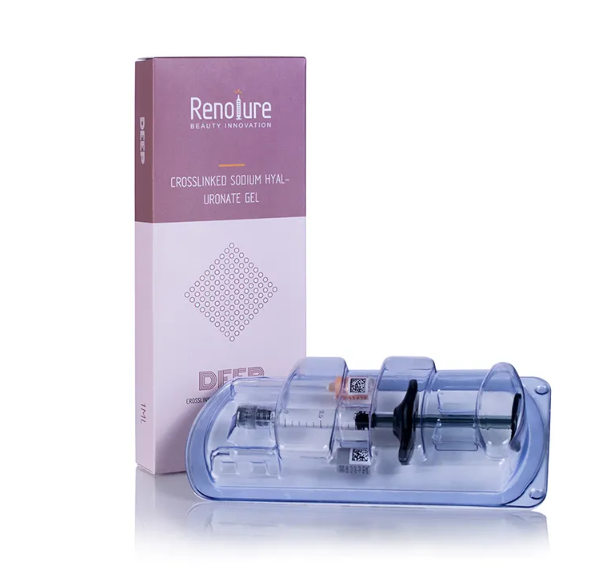
How Hyaluronic Acid Injections Restore Joint Function and Biomechanics
Replenishing Synovial Fluid Viscoelasticity and Lubrication
The health of our joints relies heavily on synovial fluid which allows for smooth, cushioned movements thanks mainly to something called hyaluronic acid or HA for short. When someone develops osteoarthritis, their body produces about 40 to maybe even 60 percent less HA according to research published last year in the Journal of Orthopaedic Research. This drop off affects how thick and stretchy the fluid becomes. Injecting HA back into the joint can bring those levels up again, rebuilding what doctors call the viscoelastic network of the fluid and restoring its ability to lubricate properly. What happens next? Less direct contact between bones when moving around, plus better gliding action inside the joint usually within just a few weeks time. From a clinical standpoint, people who get these treatments typically experience several benefits including:
- More uniform load distribution across cartilage surfaces
- Lower mechanical stress during weight-bearing activities
- Renewed protective cushioning for articular tissues
Counteracting HA Depletion in Osteoarthritis Progression
In osteoarthritis, the body gradually breaks down hyaluronic acid (HA) through increased activity of hyaluronidase enzymes and oxidative stress processes. This creates a vicious cycle where reduced synovial fluid leads to faster cartilage damage, which then causes more inflammation and continued breakdown of HA stores, eventually messing up how the joint functions mechanically. When doctors inject HA directly into affected joints, it stops this destructive process by boosting the body's own HA levels and maintaining proper fluid volume inside the joint space. The best results come from high molecular weight HA products above 1,000 kDa in size. These formulations last longer in the joint cavity, offering better cushioning properties that help maintain joint structure and can slow down visible degeneration in load bearing areas like knees and hips over time.
Molecular Weight Matters: Impact on Hyaluronic Acid Injections Efficacy
Low vs. High Molecular Weight HA: Pharmacokinetics and Residence Time
The molecular weight of hyaluronic acid plays a major role in how it behaves in the body and how long it lasts clinically. When we look at low molecular weight HA (below 500 kDa), it tends to get into tissues pretty fast but doesn't stick around for long in joints, usually clearing out within about two days. On the flip side, higher molecular weight HA (over 1,000 kDa) creates these stable, tangled networks inside the joint space that last much longer, sometimes staying put for three to six months. Research published in the Journal of Clinical Medicine back in 2021 showed something interesting too. They found that when HA reaches over 1,200 kDa, about 70% remains in the joint area even after 100 days. This extended presence means better lubrication properties and improved shock absorption capabilities for the joint.
Balancing Structural Support and Bioactive Signaling
The biological activity of hyaluronic acid depends heavily on its molecular weight. When we look at high weight polymers, they basically serve as strong structural supports that can bind water in impressive amounts around 1 to 1000 ratio, which helps restore the normal stickiness of synovial fluid. On the flip side, those smaller fragments below 100 kilodaltons function differently altogether. These little guys actually work as messengers, attaching themselves to CD44 receptors found on cartilage cells and kickstarting processes that build new collagen and renew the surrounding tissue matrix. For best results in real world applications, most experts recommend combining heavy duty HA above 1000 kilodaltons for mechanical support with roughly 5 percent of these smaller molecules to get those healing mechanisms going. Some interesting research published back in 2018 showed that this combination strategy led to about a 40-odd percent boost in cartilage matrix production when tested in lab models, outperforming approaches that only used one type of molecule size.
Beyond Lubrication: Anti-Inflammatory and Chondroprotective Effects of Hyaluronic Acid Injections
Suppression of Pro-Inflammatory Cytokines and Synovial Inflammation
Hyaluronic acid (HA) injections do more than just restore joint mechanics—they also have powerful anti-inflammatory properties. When injected, HA interacts with CD44 receptors found on synovial macrophages and fibroblast cells. This interaction stops the NF-κB pathway from activating, which leads to significant drops in inflammatory markers like IL-1β and TNF-α within the synovial tissue. Studies show this can reduce their levels by around two thirds. The result? Less production of prostaglandins, fewer macrophages moving into the area, and reduced growth of synovial tissue. From a clinical standpoint, patients typically experience relief from swollen joints, morning stiffness, and overall pain discomfort that lasts anywhere between half a year to nearly a full year after getting the injection.
Stimulation of Cartilage Matrix Synthesis and Chondrocyte Protection
HA helps protect cartilage in an active way. When introduced, it gets chondrocytes working harder to produce proteoglycans and type II collagen, which are basically what makes up the healthy parts outside cartilage cells. At the same time, HA stops certain enzymes called matrix metalloproteinases from doing their damage. Specifically, it targets MMP-1 and MMP-13, which break down cartilage over time. The combination of these effects makes cartilage stronger when faced with physical stress and keeps joints intact for longer periods. This isn't just about making pain go away temporarily, but actually protecting the structure of joints themselves.
Cellular Mechanisms: How Hyaluronic Acid Injections Engage Receptors to Modulate Pain and Repair
CD44- and RHAMM-Mediated Signaling in Analgesia and Tissue Regeneration
HA works so well therapeutically because it interacts with two main cell surface receptors on our bodies: CD44 and RHAMM. When HA binds to CD44, it actually helps reduce pain levels by cutting down on prostaglandin E2 production and stopping those pesky NF-kappa B driven cytokines from getting released. Plus, this interaction gets the ERK1/2 signaling pathway going, which encourages chondrocytes (those cartilage cells) to multiply and express genes needed for building up the extracellular matrix. The other receptor, RHAMM, plays its part too by boosting fibroblast movement around damaged areas, helping new blood vessels form, and kickstarting the initial stages of tissue regeneration. All these different biological pathways working together is why HA stands out as something that can provide quick pain relief while also supporting long term tissue healing over time. That dual action makes HA an interesting option for managing osteoarthritis symptoms in patients who need both immediate comfort and gradual structural improvements.
FAQ
What is hyaluronic acid and its role in joint health?
Hyaluronic acid (HA) is a crucial component of synovial fluid in joints, responsible for lubrication, shock absorption, and smooth movements. It helps maintain the viscoelasticity of the fluid which is essential for healthy joint function.
Why are hyaluronic acid levels reduced in osteoarthritis patients?
In osteoarthritis, increased activities of hyaluronidase enzymes and oxidative stress lead to the breakdown of HA, resulting in lower levels which affect joint lubrication and increase the mechanical wear and tear of the joint.
How do hyaluronic acid injections help in managing osteoarthritis?
HA injections replenish the decreased HA levels in joints, restoring fluid viscoelasticity, reducing inflammation, and protecting cartilage from further breakdown, thereby improving joint function and pain relief.
What is the significance of molecular weight in hyaluronic acid products?
The molecular weight of HA influences its longevity and effectiveness in joints. Higher molecular weight HA remains longer in the joint, providing better lubrication and structural support, compared to lower molecular weight HA, which clears out faster.
Table of Contents
- How Hyaluronic Acid Injections Restore Joint Function and Biomechanics
- Molecular Weight Matters: Impact on Hyaluronic Acid Injections Efficacy
- Beyond Lubrication: Anti-Inflammatory and Chondroprotective Effects of Hyaluronic Acid Injections
- Cellular Mechanisms: How Hyaluronic Acid Injections Engage Receptors to Modulate Pain and Repair