 EN
EN
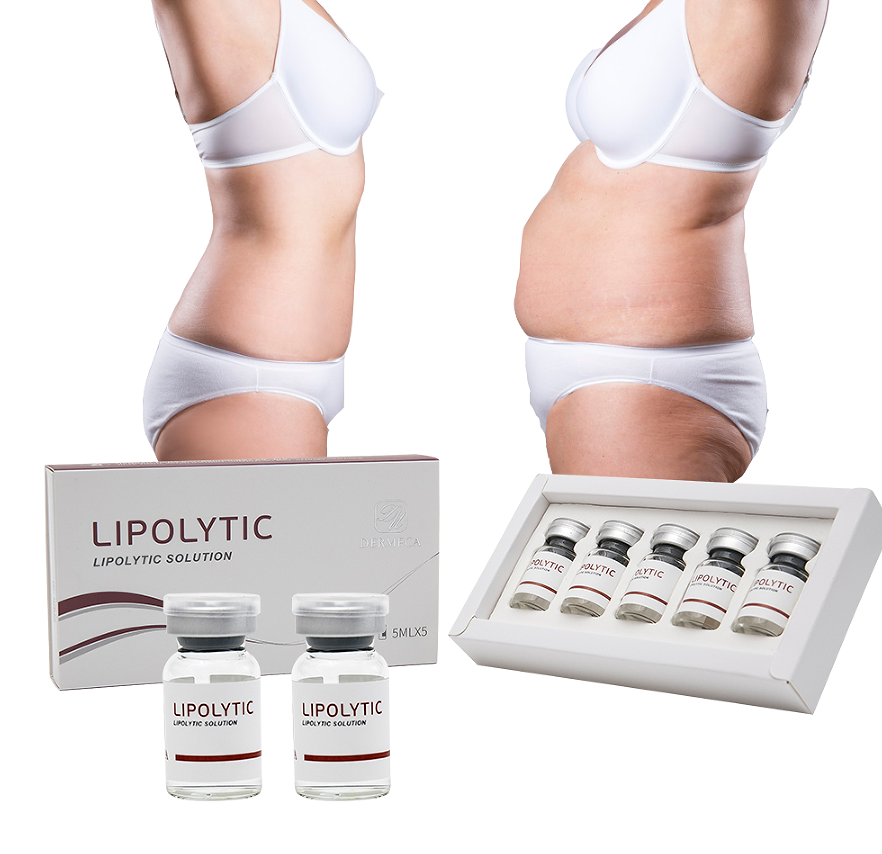
Exploring the Core of Aesthetic Fat Reduction Solutions
In the ever-evolving world of aesthetic medicine, fat loss injections have emerged as a popular non-surgical solution for targeted body contouring, offering a way to reduce unwanted fat deposits without the downtime of invasive procedures. As more people and medical clinics turn to this treatment, the central question remains Are fat loss injections safe and effective? This query is not just about the immediate results of the injections but also about their long-term safety, clinical validation, and consistency across diverse patient needs. Jiangsu TIERA Biotechnology Co., Ltd., a leading manufacturer of professional aesthetic medical products based in Changzhou China, has developed fat loss injections as part of its comprehensive mesotherapy solutions line, engineered with rigorous quality control, clinical testing, and medical-grade formulations to answer this question with a definitive yes. Backed by international certifications, CFDA-aligned clinical data, and advanced manufacturing practices, TIERA’s fat loss injections stand as a testament to how aesthetic fat reduction products can deliver both safety and effectiveness when crafted to the highest medical standards.
What Defines a Safe and Effective Fat Loss Injection
A safe fat loss injection starts with a medical-grade formulation that uses biocompatible active ingredients, avoiding harsh chemicals that can cause skin irritation, tissue damage, or adverse systemic reactions. It must be manufactured in a controlled environment with strict quality checks to ensure every batch is consistent in potency and purity, eliminating the risk of uneven results or unexpected side effects. Effectiveness, on the other hand, means the injection delivers targeted fat reduction—breaking down fat cells in specific body areas such as the abdomen, thighs, chin, and arms—while leaving surrounding healthy tissue unharmed. A truly effective fat loss injection also offers predictable results, with clinical data to prove its ability to reduce fat deposits and improve body contour over time. For both safety and effectiveness, compliance with global medical regulations and clinical testing are non-negotiable, as they validate the product’s performance and minimize risks for users and practitioners alike.
Why Clinical Validation Matters for Fat Loss Injections
Fat loss injections work by targeting the mesodermal layer of the skin to break down fat cells, a process that requires precise formulation to avoid off-target effects. Without clinical validation, there is no way to confirm that an injection delivers on its claims or that it is safe for repeated use across different skin types and body areas. Clinical testing involves rigorous trials with diverse patient populations, measuring both short-term and long-term outcomes, tracking side effects, and validating the product’s mechanism of action. This data not only proves the injection’s effectiveness but also identifies any potential risks, allowing manufacturers to refine formulations for maximum safety. For aesthetic practitioners and patients, clinical validation is the gold standard for trust—ensuring that the fat loss injection they choose has been tested to medical standards and is not just a cosmetic product with unproven benefits.
TIERA’s Fat Loss Injections Safety Through Rigorous Formulation and Quality Control
Medical Grade Ingredients and Biocompatible Formulations
TIERA Biotechnology’s fat loss injections are formulated with only medical-grade, biocompatible ingredients, chosen for their proven ability to target fat cells while maintaining the health of surrounding skin and tissue. The active ingredients in the injections are carefully blended to break down fat deposits through a natural metabolic process, ensuring that the body eliminates the broken-down fat cells without adverse reactions. Unlike low-quality fat loss products that use unregulated ingredients, TIERA’s formulations avoid harsh solvents or irritants, minimizing the risk of redness, swelling, or discomfort at the injection site. Every ingredient is sourced from trusted suppliers and vetted by TIERA’s strict quality control team, with full traceability for every component used in production— a key step in ensuring the safety of the final product for both clinical and personal use.
Advanced Manufacturing Facilities and Strict Production Standards
Safety in fat loss injections begins with the manufacturing process, and TIERA’s state-of-the-art facilities in Changzhou set the bar for precision and control. The company’s factory is equipped with first-class biological medical products production equipment and advanced laboratories, all operated by high-end technology talents with extensive experience in aesthetic product development. Every batch of fat loss injections is produced in a sterile, controlled environment, adhering to Good Manufacturing Practices (GMP) and international medical production standards. Multiple quality checkpoints are integrated into the production process, from formulation mixing to filling and packaging, with every batch tested for purity, potency, and consistency. This rigorous manufacturing process eliminates the risk of contamination or inconsistent formulation, ensuring that every fat loss injection from TIERA meets the same high safety standards, every time.
Global Certifications and Regulatory Compliance
TIERA’s fat loss injections hold some of the most respected certifications in the medical and aesthetic product industry, a clear marker of their safety and compliance with global standards. The company has obtained ISO13485 certification, which validates that its quality management system is designed specifically for medical device manufacturing, ensuring consistent safety and performance across all products. TIERA also holds MDSAP certification, which ensures compliance with the regulatory standards of major global markets including the United States, Canada, Australia, and the European Union. These certifications mean that TIERA’s fat loss injections are manufactured to meet the safety requirements of countries across the globe, making them a trusted choice for aesthetic clinics and practitioners in North America, Europe, the Middle East, South Africa, and beyond. For patients, this regulatory compliance means peace of mind that the fat loss injection they receive has been held to the same safety standards as other medical products.
TIERA’s Fat Loss Injections Proven Effectiveness for Targeted Body Contouring
Clinical Testing Based on CFDA Standards
Effectiveness is not just about immediate results—it is about proven, consistent fat reduction validated by clinical data. TIERA Biotechnology conducted comprehensive clinical testing for its fat loss injections based on China’s CFDA standards, generating full clinical data that proves the product’s ability to deliver targeted fat reduction and improved body contour. The clinical trials included diverse patient populations with different body types, skin tones, and fat deposit concerns, testing the injections on common problem areas such as the chin, abdomen, thighs, and upper arms. The results confirmed that TIERA’s fat loss injections deliver measurable fat reduction with a high rate of patient satisfaction, with no significant adverse effects reported. This clinical data is a critical proof point for the product’s effectiveness, giving practitioners the confidence to offer the treatment to their patients and patients the assurance that the injections work as claimed.
Targeted Action for Precise Body Contouring
A key factor in the effectiveness of TIERA’s fat loss injections is their targeted action, which allows practitioners to address specific fat deposits without affecting surrounding areas. The formulation is designed to be injected precisely into the fat layer, where it works to break down fat cells at the source—unlike oral fat loss products that have systemic effects and often lead to uneven weight loss. This targeted approach makes the injections ideal for spot reduction, a common goal for patients who struggle with stubborn fat deposits that do not respond to diet and exercise. Whether a patient is looking to slim their chin, contour their abdomen, or reduce thigh fat, TIERA’s fat loss injections can be administered with precision to deliver the desired results, creating a smooth, natural-looking body contour that enhances the patient’s natural shape.
Complementary Benefits for Skin Health
TIERA’s fat loss injections are not just about fat reduction—they also offer complementary skin health benefits that boost their overall effectiveness for aesthetic body contouring. The formulation is blended with ingredients that nourish the skin, improving its elasticity and texture while reducing fat deposits. This means that patients not only lose unwanted fat but also see an improvement in the appearance of their skin in the treated areas, avoiding the sagging or loose skin that can sometimes follow fat loss. The injections also work to tighten pores and improve skin hydration in the treated areas, creating a more polished, youthful look that complements the contoured body shape. These added skin health benefits make TIERA’s fat loss injections a holistic solution for body contouring, delivering both fat reduction and skin rejuvenation in a single treatment.
Real World Performance and Patient Experience
Minimal Downtime and Comfortable Treatment
One of the key benefits of TIERA’s fat loss injections is the minimal downtime they require, a factor that adds to their practical effectiveness for busy patients. The injections are administered with fine needles, minimizing discomfort at the injection site, and most patients experience only mild, temporary redness or swelling that fades within a few days. Unlike surgical fat reduction procedures that require weeks of recovery, patients can return to their daily activities immediately after a fat loss injection treatment with TIERA’s product. This minimal downtime makes the injections a convenient option for patients looking for non-surgical body contouring, and it also allows aesthetic clinics to offer the treatment as a quick, in-office service—boosting patient throughput and satisfaction.
Consistent Results Across Diverse Patient Populations
TIERA’s fat loss injections have been tested and used across a diverse range of patient populations, from different age groups to various ethnicities and body types, delivering consistent results for all. The clinical data and real-world use confirm that the injections work effectively for both men and women, and for patients with different levels of fat deposits—from mild stubborn fat to more significant contouring needs. This consistency is a result of the product’s precise formulation and targeted action, which adapt to the body’s natural fat metabolism regardless of individual differences. For aesthetic practitioners, this consistency means they can develop predictable treatment protocols for their patients, with clear expectations for results and treatment timelines. For patients, it means that they can trust the injections to deliver the fat reduction they desire, no matter their unique body characteristics.
Long Lasting Results with Proper Aftercare
The effectiveness of TIERA’s fat loss injections is further enhanced by their long lasting results, especially when combined with proper patient aftercare. The broken-down fat cells are eliminated from the body naturally, and with a healthy diet and regular exercise, patients can maintain their contoured results for an extended period. Unlike temporary fat reduction solutions that require frequent touch-ups, TIERA’s fat loss injections deliver results that build over time and persist with healthy lifestyle choices. The product’s formulation also stimulates the skin’s natural collagen production in some cases, improving skin elasticity and helping to maintain the contoured shape long-term. This long lasting effectiveness makes the injections a cost-effective option for patients, as they do not need to undergo frequent treatments to maintain their results.
Why TIERA’s Fat Loss Injections Stand Out in the Aesthetic Market
Integration with a Comprehensive Mesotherapy Solutions Line
TIERA’s fat loss injections are part of a full suite of professional mesotherapy solutions that include skin rejuvenation, skin whitening, hair growth, and hydration injections—all designed to meet the highest safety and effectiveness standards. This integration means that aesthetic clinics can source all their mesotherapy needs from a single trusted manufacturer, ensuring consistency in quality and treatment protocols across their service offerings. For patients, this means that they can receive a holistic aesthetic treatment plan, combining fat loss injections with other mesotherapy solutions for a complete body and skin rejuvenation experience. TIERA’s mesotherapy products are all manufactured with the same rigorous quality control and clinical testing, making the fat loss injections a seamless and reliable part of any aesthetic treatment plan.
OEM Customization and Global Availability
TIERA Biotechnology welcomes OEM orders for its fat loss injections and mesotherapy solutions, allowing aesthetic clinics and distributors to customize the products to their specific needs—from branded packaging to tailored formulations. This OEM flexibility makes TIERA’s fat loss injections a versatile choice for global aesthetic markets, adapting to the unique regulatory and clinical needs of different countries and regions. The products are already exported to numerous countries including the United States, Canada, Australia, Europe, the Middle East, and South Africa, with a high-quality marketing team and professional sales team supporting global distribution. For international clinics and practitioners, this global availability means access to a safe and effective fat loss injection product that is compliant with local regulatory standards and tailored to their patient needs.
Comprehensive Customer Support and 24 Hour Service
TIERA’s commitment to safety and effectiveness extends beyond the product itself to the comprehensive customer support it offers to clinics and practitioners. The company’s experienced staff members are always available to discuss product requirements, provide treatment guidance, and address any questions or concerns—ensuring full customer satisfaction. TIERA also offers 24 hour online customer service, making support available at any time for clinics and practitioners across different time zones. The company’s strict quality control team and talented packaging designers also provide no-worry services, from product testing to custom packaging, ensuring that every client receives a product that meets their exact standards. This level of customer support ensures that clinics and practitioners can use TIERA’s fat loss injections with confidence, knowing that they have the backing of a reliable manufacturer.
The Verdict Fat Loss Injections Can Be Both Safe and Effective
The answer to the question Are fat loss injections safe and effective? is a clear yes—when the product is manufactured to the highest medical standards, formulated with biocompatible ingredients, and validated by clinical testing. TIERA Biotechnology’s fat loss injections exemplify what a safe and effective fat loss solution should be, with a medical-grade formulation, rigorous quality control, global certifications, and CFDA-aligned clinical data proving their performance. These injections deliver targeted, consistent fat reduction with minimal downtime, complementary skin health benefits, and long lasting results—all while adhering to the strictest safety standards for aesthetic medical products.
As TIERA continues to innovate in the aesthetic medicine space, with upcoming showcases at Pharmed & Healthcare Vietnam 2025 and ESTETICA expo 2026, the company remains committed to developing fat loss injections and other mesotherapy solutions that balance safety and effectiveness. For aesthetic practitioners looking for a reliable fat loss solution for their clinics, and for patients seeking a non-surgical way to contour their body, TIERA’s fat loss injections offer a trusted choice—backed by science, clinical data, and a commitment to the highest quality standards in aesthetic medicine. With TIERA’s fat loss injections, targeted body contouring is no longer a trade-off between safety and effectiveness—it is a treatment that delivers both, for natural-looking, long lasting results.
Table of Contents
- Exploring the Core of Aesthetic Fat Reduction Solutions
- TIERA’s Fat Loss Injections Safety Through Rigorous Formulation and Quality Control
- TIERA’s Fat Loss Injections Proven Effectiveness for Targeted Body Contouring
- Real World Performance and Patient Experience
- Why TIERA’s Fat Loss Injections Stand Out in the Aesthetic Market
- The Verdict Fat Loss Injections Can Be Both Safe and Effective