 EN
EN
Understanding Clinic Bulk Purchase Quality Demands
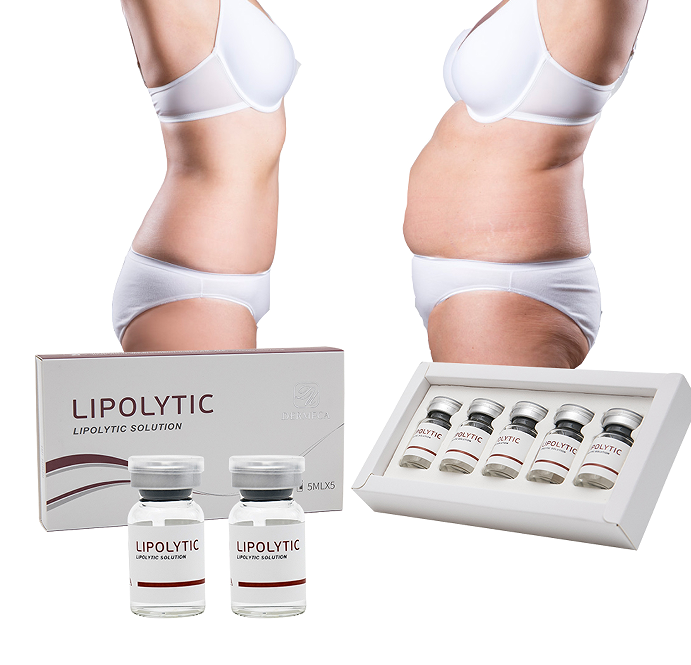
Clinic bulk purchases represent a critical segment of the aesthetic medical industry, where the bar for product quality is set exceptionally high. Medical clinics and aesthetic practices require products that deliver consistent results, adhere to global safety regulations, and stand up to the rigorous demands of repeated use across diverse patient populations. Fat loss injections, a popular aesthetic solution for targeted body contouring, are no exception to these standards. For clinics, bulk purchasing these injections means prioritizing formulations that are clinically proven, manufactured with precision, and backed by robust quality control measures—all while offering reliable performance and compliance with international medical certifications. Jiangsu TIERA Biotechnology Co., Ltd., a leading manufacturer of aesthetic medical products based in Changzhou China, has engineered fat loss injections as part of its comprehensive mesotherapy solutions line, designed to not only meet but exceed the strict quality standards that clinics demand for bulk procurement. With advanced manufacturing facilities, global certifications, and clinical data validating safety and effectiveness, TIERA’s fat loss injections emerge as a trusted option for clinics seeking high quality bulk aesthetic products.
Core Quality Criteria for Clinic Bulk Aesthetic Products
Clinics evaluate bulk-purchased aesthetic products against a set of non-negotiable quality criteria, starting with clinical safety and proven efficacy. Any product for bulk use must have undergone rigorous testing to eliminate the risk of adverse reactions, ensure consistent formulation, and deliver predictable results for patients. Additionally, compliance with international medical standards and certifications is a must, as it verifies that the product is manufactured to global best practices. Durability and shelf stability are also key for bulk purchases, as clinics need products that maintain their quality through storage and repeated use. Finally, customizable options and reliable customer support are essential, as clinics have unique patient needs and require a manufacturing partner that can adapt to their bulk procurement requirements. For fat loss injections, these criteria are amplified—targeted body contouring demands a precise formulation that works effectively on different body areas without compromising skin health, making quality non-negotiable for clinic bulk orders.
Why Fat Loss Injections Require Elevated Quality Control
Fat loss injections differ from other aesthetic products in their targeted action on fat cells and mesodermal tissue, making their formulation and manufacturing process particularly sensitive. Unlike dermal fillers that add volume, fat loss injections work to break down and eliminate unwanted fat deposits, requiring a balanced blend of active ingredients that are both effective and gentle on the surrounding skin and tissue. Poorly manufactured fat loss injections can lead to inconsistent results, skin irritation, or uneven fat reduction—issues that can damage a clinic’s reputation and patient trust. For bulk purchases, even minor quality inconsistencies can scale into significant problems across a clinic’s patient base, making elevated quality control at every stage of production a necessity. From ingredient sourcing to final formulation, fat loss injections for clinic bulk use must be crafted with precision, and only manufacturers with advanced quality control systems can deliver this level of consistency.
TIERA Biotechnology Fat Loss Injections Engineered for Clinic Quality Standards
Precision Formulation for Targeted and Consistent Fat Loss
TIERA Biotechnology’s fat loss injections are part of the company’s professional mesotherapy solutions line, formulated with precision to deliver targeted, consistent fat reduction for a range of body areas. The injections are crafted using high quality active ingredients, blended to break down unwanted fat deposits while nourishing the surrounding skin, avoiding the uneven results or tissue irritation that can come with lower quality formulations. Every batch of fat loss injections is engineered to the same exacting standards, ensuring that clinics receive a consistent product for their bulk purchases—whether for facial fat reduction, body contouring of the abdomen, thighs, or arms, or targeted chin fat reduction. This consistency is critical for clinics, as it allows practitioners to develop predictable treatment protocols and deliver reliable results to every patient, a cornerstone of successful aesthetic practice.
Integration with a Comprehensive Mesotherapy Solutions Line
TIERA’s fat loss injections are not a standalone product but part of a full suite of mesotherapy solutions that includes skin rejuvenation, skin whitening, hair growth, and hydration injections—all designed to meet clinic bulk purchase standards. This integration means that clinics can source all their mesotherapy needs from a single trusted manufacturer, streamlining bulk procurement and ensuring consistent quality across their aesthetic service offerings. For clinics that offer comprehensive body contouring and skin health treatments, this one stop solution eliminates the hassle of working with multiple suppliers and ensures that fat loss injections complement other mesotherapy products for a holistic patient experience. TIERA’s mesotherapy solutions, including fat loss injections, are all manufactured in the same advanced facilities with the same strict quality control measures, guaranteeing uniformity in every bulk order.
Clinical Testing and Proven Efficacy for Diverse Patient Populations
A key requirement for clinic bulk purchased fat loss injections is proven efficacy across diverse patient populations, and TIERA’s fat loss injections deliver on this front through rigorous clinical testing. The company conducted clinical trials for its aesthetic products, including fat loss injections, based on CFDA standards in China, generating full clinical data that validates both safety and effectiveness. This clinical data demonstrates that the fat loss injections work effectively for patients of different body types and skin tones, a critical factor for clinics that serve diverse communities. The injections are designed to be gentle yet powerful, with a formulation that minimizes downtime and adverse reactions—another key benefit for clinics, as it allows for higher patient throughput and greater satisfaction. For bulk purchases, this proven efficacy means clinics can confidently offer fat loss injection treatments, knowing the product will deliver the results their patients expect.
Quality Assurance Behind TIERA’s Fat Loss Injections for Bulk Purchases
Advanced Manufacturing Facilities and Production Standards
TIERA Biotechnology’s ability to meet clinic bulk purchase quality standards for fat loss injections starts with its world class manufacturing facilities in Changzhou. The factory is equipped with perfect facilities, first class biological medical products production equipment, and advanced laboratories—all designed to ensure precision and consistency in every product batch. The company’s high end technology talents oversee the entire production process for fat loss injections, from ingredient sourcing and formulation development to manufacturing and packaging, adhering to strict Good Manufacturing Practices (GMP) at every step. For bulk production, this advanced manufacturing setup allows TIERA to scale production of fat loss injections without compromising quality, ensuring that clinics receive large orders that meet the same exacting standards as small batches. The production process for fat loss injections also includes multiple quality checkpoints, eliminating any defective products before they reach the market.
Global Certifications Validating International Quality Compliance
Clinic bulk purchases, especially for practices that serve an international patient base or operate in multiple regions, demand products with global quality certifications—and TIERA’s fat loss injections hold the accreditations that matter most. The company has obtained ISO13485 and MDSAP certificates, two of the most respected certifications in the medical device and aesthetic product industry. ISO13485 validates that TIERA’s quality management system is designed to meet the unique requirements of medical product manufacturing, while MDSAP ensures compliance with the regulatory standards of multiple major markets, including the United States, Canada, Australia, and the European Union. These certifications are a testament to TIERA’s commitment to global quality standards, giving clinics the confidence that their bulk purchased fat loss injections are compliant with the regulations of the regions where they practice. For international clinics, this compliance eliminates the hassle of navigating complex regulatory requirements for bulk aesthetic product procurement.
Strict Quality Control Across the Entire Supply Chain
TIERA Biotechnology’s quality assurance for fat loss injections extends far beyond the production line, encompassing the entire supply chain—from ingredient sourcing to final delivery to clinics. The company has a dedicated strict quality control team that vets all raw materials for fat loss injections, ensuring that only high quality, medical grade ingredients are used in formulation. Every batch of fat loss injections undergoes rigorous testing for purity, potency, and consistency, with test results documented for full traceability—a critical feature for clinic bulk purchases, as it allows practices to verify the quality of every product they receive. The packaging for bulk fat loss injection orders is also designed to maintain product stability during storage and shipping, with airtight, tamper proof containers that protect the formulation from environmental factors. This end to end quality control ensures that TIERA’s fat loss injections reach clinics in perfect condition, ready for immediate use with no compromise on quality.
Meeting the Unique Needs of Clinic Bulk Purchases
OEM Customization for Clinic Branding and Specific Requirements
Clinics with bulk purchase needs often require customized aesthetic products that align with their brand and unique patient needs, and TIERA Biotechnology welcomes OEM orders for its fat loss injections and mesotherapy solutions. The company’s talented packaging designers and formulation experts work closely with clinics to create customized fat loss injection products—from branded packaging to tailored formulations that address specific patient concerns, such as enhanced skin hydration alongside fat loss or targeted action for specific body areas. This OEM customization is a key benefit for clinics purchasing fat loss injections in bulk, as it allows them to differentiate their services in a competitive market and offer products that are uniquely their own. TIERA’s flexible OEM process is designed to accommodate bulk order sizes, ensuring that even large customized orders are delivered on time and to the highest quality standards.
Reliable Bulk Production Capacity and Timely Delivery
Clinic bulk purchases require a manufacturing partner with the capacity to scale production and deliver orders on time, and TIERA Biotechnology’s advanced facilities and efficient production management make it a reliable choice for fat loss injection bulk procurement. The company’s production team can handle large bulk orders of fat loss injections without sacrificing quality or lead times, a critical factor for clinics that need to maintain consistent inventory levels for their aesthetic services. TIERA’s logistics team also ensures timely delivery of bulk orders to clinics across the globe, with shipping solutions tailored to the unique needs of each region—whether the clinic is located in the United States, Canada, Australia, Europe, the Middle East, or South Africa, all regions where TIERA’s products are already exported. This reliable production and delivery capacity means clinics never have to worry about stockouts of their essential fat loss injection products.
Comprehensive Customer Support for Bulk Buyers
TIERA Biotechnology prides itself on offering no worry services for clinic bulk buyers of fat loss injections, with a dedicated professional sales team and 24 hour online customer service available to address every need. The company’s experienced staff members work closely with clinics to understand their bulk purchase requirements—from order size and delivery timelines to customization and after sales support—ensuring full customer satisfaction at every step. For clinics new to using TIERA’s fat loss injections, the team also provides product education and guidance on treatment protocols, helping practitioners maximize the effectiveness of the product for their patients. This comprehensive customer support is a vital part of meeting clinic bulk purchase quality standards, as it ensures that clinics not only receive a high quality product but also the support they need to use it successfully in their practice. TIERA’s focus on long term mutually beneficial business relationships means that bulk buyers receive ongoing support, not just a one time sale.
Why TIERA’s Fat Loss Injections Are a Trusted Choice for Clinic Bulk Purchases
TIERA Biotechnology’s fat loss injections check every box for clinics seeking high quality bulk aesthetic products—precision formulation, clinical proven efficacy, global certifications, strict quality control, and customizable OEM options, all backed by reliable production capacity and comprehensive customer support. As a professional manufacturer with a focus on biological medical aesthetic products, TIERA understands the unique demands of clinic bulk purchases and has engineered its fat loss injections to meet and exceed these standards at every level. The company’s commitment to quality is evident in every aspect of its operations, from its advanced manufacturing facilities in Changzhou to its global export reach and adherence to international regulatory standards.
For clinics, choosing a bulk supplier of fat loss injections is about more than just product quality—it is about partnering with a manufacturer that understands the needs of aesthetic practice and is committed to their success. TIERA Biotechnology’s ongoing innovation in aesthetic products, including its upcoming showcase of latest innovations at Pharmed & Healthcare Vietnam 2025 and ESTETICA expo 2026, demonstrates its dedication to staying at the forefront of the industry, ensuring that clinics have access to the most advanced and high quality fat loss injections on the market. With full clinical data, global certifications, and a focus on strict quality control, TIERA’s fat loss injections are not just a product for bulk purchase—they are a reliable, high quality solution that clinics can trust to deliver consistent results for their patients and grow their aesthetic practice.
In the competitive world of aesthetic medicine, clinic bulk purchases demand nothing less than the highest quality, and TIERA Biotechnology’s fat loss injections rise to the challenge. For any clinic looking to source fat loss injections in bulk, TIERA offers a complete package of quality, compliance, customization, and support—making it the ideal manufacturing partner for long term success.
Table of Contents
- Understanding Clinic Bulk Purchase Quality Demands
- TIERA Biotechnology Fat Loss Injections Engineered for Clinic Quality Standards
- Quality Assurance Behind TIERA’s Fat Loss Injections for Bulk Purchases
- Meeting the Unique Needs of Clinic Bulk Purchases
- Why TIERA’s Fat Loss Injections Are a Trusted Choice for Clinic Bulk Purchases