
 EN
EN
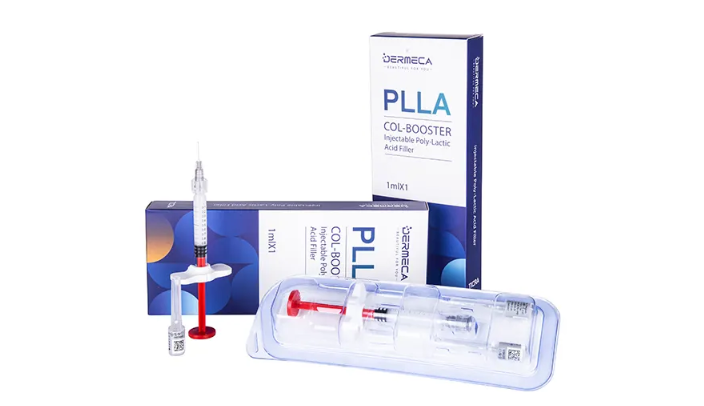
PLLA Triggers a Controlled Immune Response That Drives Collagen Synthesis
Subclinical Inflammation and Macrophage Recruitment as the Initial Biostimulatory Signal
When injected, PLLA microparticles start what researchers call a controlled immune response below the clinical threshold. The body's macrophages show up quickly at the skin location where they detect PLLA material as something foreign. By about day seven, there's a noticeable change in these immune cells towards the M2 polarization type. These particular macrophages aren't there to tear things down but instead help rebuild tissues properly. Anti-inflammatory signals like IL-10 create conditions favorable for healing processes to occur naturally. Looking at tissue samples from various studies, scientists have found that macrophage numbers reach their highest point around weeks two through six after treatment. This extended presence supports ongoing stimulation of the body's own repair mechanisms without causing visible signs of inflammation that patients would notice clinically.
Fibroblast Activation and Upregulation of COL1A1/COL1A2 Genes via Cytokine-Mediated Signaling
When M2 macrophages become activated, they release something called transforming growth factor beta 1 (TGF-β1). This substance plays a key role in how fibroblasts respond to signals. The TGF-β1 molecules attach themselves to receptors on the surface of fibroblasts. This triggers a chain reaction involving SMAD proteins getting phosphorylated and moving into the nucleus. As a result, the cells start producing more COL1A1 and COL1A2 genes, which are responsible for making type I collagen. Studies using immunofluorescence techniques have found that fibroblasts can boost their production of type I collagen by as much as 300 percent over a period of three months. At the same time, certain inhibitors known as TIMPs work to prevent the breakdown of collagen, leading to an overall buildup of extracellular matrix materials. What we're seeing here is essentially a two step process where temporary immune responses get transformed into lasting structural changes in tissues.
Molecular Pathways: How PLLA Activates TGF-β/SMAD to Stimulate Neocollagenesis
In Vitro Evidence of Direct PLLA-Induced Fibroblast Stimulation and Pro-Collagen Secretion
Lab experiments show that when PLLA microparticles come into contact with skin fibroblasts, they actually boost pro-collagen levels by around 3.8 times after just three days. The mechanism involves these particles interacting directly with special receptors on the fibroblast membranes, which then kickstarts the TGF-beta/SMAD signaling pathway inside the cells. And interestingly, this happens without needing any help from immune system components. When researchers looked at pure cell cultures, they found that fibroblasts treated with PLLA produced about 40 percent more collagen compared to those left alone. This clearly shows that PLLA has real biological activity on its own. What makes PLLA stand out is how quickly it gets collagen production going in the first few weeks. Tests over 28 days consistently show it performs better than most other products designed to stimulate tissue repair.
Time- and Dose-Dependent Collagen Accumulation in Human Dermis: Histologic Correlation
Human histological data reveal a predictable, time-resolved sequence of collagen remodeling:
- Month 1: Macrophages encapsulate PLLA microparticles, initiating subclinical inflammation.
- Month 3: Fibroblast proliferation peaks as hydrolyzed PLLA releases lactic acid monomersâfurther modulating local pH and sustaining TGF-β activity.
- Month 6: Mature collagen networks increase dermal thickness by 22â30%, with type III collagen (âbaby collagenâ) emerging by week 16 to reinforce superficial scaffolding.
Dose-response studies identify 10â20 mg/mL as the optimal concentration range: lower doses yield insufficient stimulation, while higher concentrations risk excessive inflammatory responses. Critically, histopathology confirms collagen maturation continues for over 24 months post-treatmentâa timeline uniquely enabled by PLLAâs slow, self-regulating hydrolysis profile.
Clinical Translation: PLLA Fillers as Sustained Biostimulators of Dermal Matrix Remodeling
Treatments based on PLLA provide gradual but real improvements to skin appearance over time. The body starts producing new collagen within a few weeks, and most people notice better skin volume and elasticity around months two to three after treatment. Research following patients long term shows these results can last well over two years once they complete the full course of treatments. What makes this different from regular fillers is that it's not just about filling space temporarily. Looking at tissue samples under microscopes reveals significant boosts in both types I and III collagen production, which helps rebuild the skin's natural framework much longer than what typical fillers offer. Because this process works with how our bodies naturally regenerate tissue, PLLA stands out as something special compared to other products designed to stimulate collagen growth.
Resolving the Mechanism Debate: Integrating Indirect Immune Priming and Direct Fibroblast Effects
Reconciling In Vitro vs. In Vivo Data on PLLAâs Primary Mode of Action
The apparent discrepancy between in vitro findings (direct fibroblast activation) and in vivo observations (immune-mediated collagen synthesis) reflects experimental contextânot contradictory mechanisms. PLLA functions as a dual-action biostimulator:
- Direct pathway: Microparticles engage fibroblasts immediately, driving rapid pro-collagen synthesis via TGF-β/SMAD signalingâeven in immune-free environments.
- Indirect amplification: Host macrophages recognize PLLA as a foreign body, releasing cytokines that recruit and prolong fibroblast activity, extending collagen output over months.
This temporal synergy explains why clinical histology shows >30% dermal thickening at six monthsâfar exceeding what isolated fibroblast responses could achieve alone. The integration of both pathways is essential to PLLAâs proven efficacy as a sustained, physiology-aligned biostimulator.
Frequently Asked Questions (FAQ)
What is PLLA and how does it work?
PLLA, or Poly-L-Lactic Acid, is a biostimulator that triggers a controlled immune response, leading to collagen synthesis. It works by activating macrophages and fibroblasts, which enhance collagen production and improve skin appearance.
How long do the results of PLLA treatments last?
The results of PLLA treatments can last over two years. New collagen begins to form within weeks, with visible improvements in skin volume and elasticity appearing around the second or third month after treatment.
Are there any side effects associated with PLLA treatments?
While PLLA is generally well-tolerated, some individuals may experience subclinical inflammation. It is important to follow the recommended dosages to minimize any risk of excessive inflammatory responses.
Is PLLA effective in both in vitro and in vivo environments?
Yes, PLLA demonstrates efficacy both in vitro (direct fibroblast activation) and in vivo (immune-mediated collagen synthesis), showcasing its dual-action biostimulatory capabilities.
Table of Contents
- PLLA Triggers a Controlled Immune Response That Drives Collagen Synthesis
- Molecular Pathways: How PLLA Activates TGF-β/SMAD to Stimulate Neocollagenesis
- Clinical Translation: PLLA Fillers as Sustained Biostimulators of Dermal Matrix Remodeling
- Resolving the Mechanism Debate: Integrating Indirect Immune Priming and Direct Fibroblast Effects
- Frequently Asked Questions (FAQ)