
 EN
EN
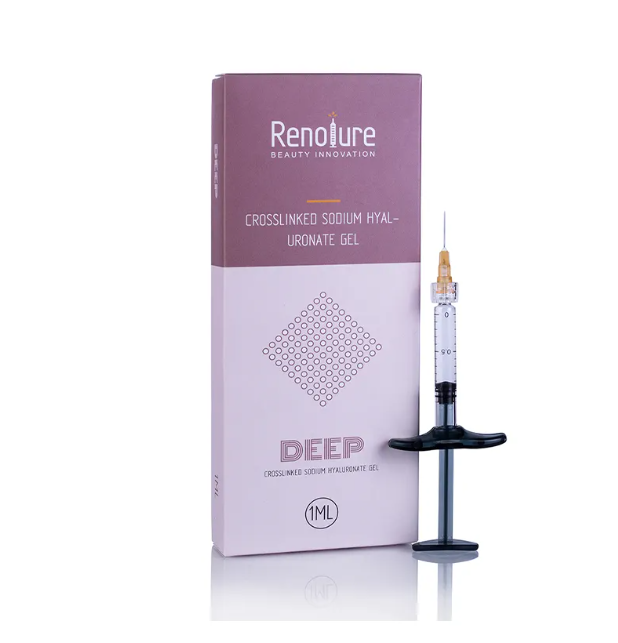
How Hyaluronic Acid Skinboosters Work: Hydration Science, Not Sebum Control
Intradermal HA Gel Mechanics: Binding Water in the Dermal Matrix to Restore Volume and Elasticity
Skin boosters containing hyaluronic acid work by injecting a gel into the skin layers. Hyaluronic acid has an amazing ability to hold water - up to 1000 times its own weight. When these molecules get into the skin, they create a kind of water attracting framework inside the deeper skin layers. This framework pulls moisture into the skin cells and keeps it there, which helps restore the skin's natural hydration levels. The process actually makes the tiny spaces between skin cells bigger, fighting against the loss of volume that comes with aging and helping skin feel firmer again. What's interesting is that stretching the skin in this way signals the body's own repair cells called fibroblasts to start making fresh collagen. This is different from just putting on regular moisturizer because it works deep within the skin cells themselves. Research indicates that after about three treatments, people often see around a 28 percent improvement in how elastic their skin feels.
Clarifying the Misconception: HA Skinboosters Support Barrier Integrity – Not Oil Regulation
Many people still believe hyaluronic acid affects sebum production, but research shows otherwise. The truth is, our skin cells that produce oil simply don't have receptors for HA, so there's no direct connection between them. What HA actually does is help protect the skin's barrier function. Studies have found that when applied properly, skin boosters can cut down on water loss through the skin by around 30%, which means less dryness overall. People with oily or acne-prone skin might find this particularly helpful because keeping the skin well hydrated helps regulate oil production naturally. When the outer layer of skin isn't parched, it doesn't signal the body to pump out extra oil as compensation. That's why HA works for almost everyone regardless of their skin type. It provides moisture deep within the skin layers without blocking pores or messing with the skin's natural oils.
Clinical Suitability by Skin Type: Evidence-Based Guidance for Skinbooster Candidates
Dry & Dehydrated Skin: Highest Response Rate with Significant TEWL Reduction (−32% at Week 4)
People who struggle with really dry or parched skin tend to get the best results from HA skin boosters according to clinical studies. Most patients see about a 32 percent drop in their TEWL levels (that's transepidermal water loss for those keeping track) by the fourth week following treatment, which happens to be the biggest jump across different skin types. What this means is that their skin barriers start working better and stays hydrated deeper down. When hyaluronic acid gets injected into the dermis layer, it actually grabs onto water molecules right there in the skin tissue. So the benefits go way beyond just making skin feel less tight or flaky on the surface. The plumping effect lasts much longer compared to regular creams or lotions applied topically. Doctors have also noted that nearly nine out of ten people with serious dry skin problems experience noticeably improved skin elasticity after going through only two treatment sessions.
Combination & Sensitive Skin: Targeted, Non-Irritating Hydration with Minimal Risk Profile
HA skin boosters work really well for people with combination or sensitive skin types. Since they're made from substances that our bodies naturally accept, most folks don't experience much irritation at all. Clinical testing shows irritation rates stay below 2%, which is pretty impressive compared to other products that often contain fragrances or preservatives known to cause reactions. What makes these treatments special is how they target dry areas specifically, like those flaky patches on the cheeks, without making the oily parts of the face produce even more oil. Doctors have seen good results too. About four out of five patients with rosacea issues handled the treatment just fine when done properly, and their skin barriers actually improved over time without making redness worse.
Oily & Acne-Prone Skin: Safe and Effective – HA Does Not Stimulate Sebocytes or Clog Pores
Many people still think HA skin boosters might clog pores, especially for those with oily or acne-prone skin. But molecular studies show otherwise. The HA gel doesn't actually activate sebocytes (those oil-producing cells) or block hair follicles. Instead, it works by binding water to the skin's surface, which helps maintain proper hydration levels. When skin stays hydrated, it doesn't get that dry, itchy feeling that makes our bodies produce extra oil as compensation. And guess what? A long-term study tracked over a year found something interesting too. People with acne who got these treatments once a month saw their inflamed pimples drop by around 40%, all without their pores getting more congested. Most dermatologists agree that since these boosters don't sit on top of the skin like regular moisturizers do, they can be safely used alongside other acne treatments, provided someone is working closely with a healthcare professional throughout the process.
Beyond Skin Type: When to Recommend HA Skinboosters for Specific Concerns
HA skinboosters go beyond basic skin type labels to tackle specific beauty issues backed by solid research. These treatments fight sagging skin and loss of volume by locking moisture into the deeper layers of skin tissue, which helps rebuild structure and makes skin feel firmer. When skin barriers are damaged, these boosters cut down on water loss through the skin surface while making it tougher against everyday environmental damage. People often notice great results on thin, sensitive areas like the neck and chest region, where skin tends to show signs of aging faster. They work wonders for uneven textures and those pesky acne scars too, boosting collagen production and keeping skin hydrated without causing oily breakouts. Most patients experience little to no downtime after treatment, usually just a day or two of minor redness. That's why dermatologists recommend them for both fixing existing problems and preventing future ones across different parts of the face and body.