 EN
EN
المرضى الذين يعانون من فقدان الحجم المرتبط بالعمر في اليدين والركبتين ومنطقة الصدر العلوية (الديكولتيه)
علم التدهور البنيوي: ضمور الدهون تحت الجلدية وترقُّق الأدمة
مع تقدمنا في العمر، تفقد أجسامنا تدريجيًّا الدهون تحت الجلد والكولاجين، ما يؤدي إلى تغيُّرات ملحوظة في بنية الجلد. فلنأخذ اليدين مثالًا: فعندما يفقد الأشخاص نحو ثلث طبقة الدهون الواقية في اليدين، تبدأ الأوتار والأوردة بالظهور من خلال الجلد، مما يمنح الأصابع مظهرًا عظميًّا يوحي بوضوح بالتقدم في السن. أما الركبتان فلا تختلفان كثيرًا عن ذلك؛ إذ تصبح الطبقة الدهنية فوق الرضفة أرقَّ مع مرور الوقت، ما يتسبب في تشوهات متعددة في ملامح المنطقة. ولا ننسَ منطقة الصدر العلوية (الديكوليتيه)، حيث يصبح الجلد رقيقًا ومتموّجًا ويظهر فيه تلك الخطوط الدقيقة العنيدة التي لا تزول أبدًا. ويعود سبب ذلك إلى أن الجلد يصبح أرقَّ ويتأثر سلبًا بالتعرُّض الطويل لأشعة الشمس. وقد أكَّدت دراساتٌ نُشِرَت في مجلة «الجراحة التجميلية» العام الماضي هذه الحقيقة، مشيرةً إلى أن المناطق التي تتعرَّض باستمرار لأشعة الشمس تشهد ترقُّقًا أسرع في الجلد، ما يجعلها أكثر عُرضةً لفقدان الحجم مع مرور الزمن.
كيف يعيد حشو الجسم بالهيالورونيك أسيد (HA) استعادة الملامح والترطيب عبر آلية الهيدروجيل الرابطة للماء لفترة مستمرة
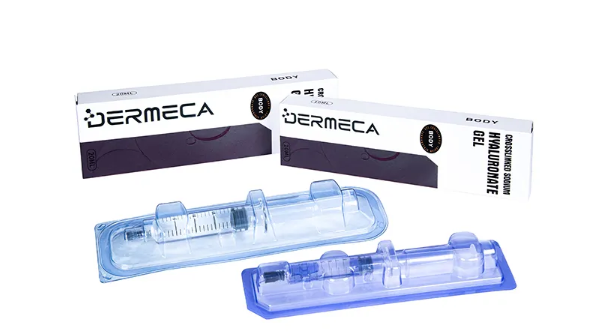
تُعالَج حشوات الجسم الحمضية الهيالورونية (HA) ضمور الأنسجة المرتبط بالعمر من خلال هيدروجيلات متقاطعة ومدمجة بيولوجيًّا تربط ما يصل إلى ١٠٠٠ ضعف وزنها من الماء. وتؤدي هذه الترطيب المستمر إلى زيادة حجم الأنسجة تدريجيًّا وبشكل طبيعي، مما يوفِّر فائدتين في آنٍ واحد: دعمًا هيكليًّا فوريًّا وإعادة ترطيب جلدية مستمرة لمدة ١٢–١٨ شهرًا. ويتم تطبيقها سريريًّا وفقًا للتشريح الموضعي:
- اليدين : يتم وضع الحشوة عمقًا تحت الجلد لاستعادة البطانة الدهنية المفقودة، مما يُخفِّف بروز الأوتار أو الأوردة
- الركبتان : الحقن الموجَّه في المنطقة فوق الرضفة يُسوِّي التغيرات الاكتئابية ويحسِّن انتقال الخطوط التشريحية
- منطقة الصدر العلوية (ديكولتيه) : يتم توصيل الحشوة في طبقات الأدمة المتوسطة إلى العميقة لرفع الطيات الدقيقة مع تحسين نسيج الجلد ومرونته
وخلافًا للتدخلات الجراحية، تقدِّم حشوات الحمض الهيالوروني تصحيحًا غير جراحيٍّ ذا تأثير ضئيل ويمكن عكسه، وهو ما يتوافق مع الميكانيكا الحيوية الطبيعية للجسم.
الأفراد الذين يسعون إلى تنسيق الجسم غير الجراحي باستخدام حشوات الجسم الحمضية الهيالورونية
مناطق الهدف المدعومة بأدلّة علمية: الفخذان الجانبيان، الذراعان العلويتان، وترقيع رفع المؤخرة
تعمل مواد حشو الجسم المصنوعة من حمض الهيالورونيك بشكلٍ ممتاز في ثلاث مناطق رئيسية يُسبّب فيها فقدان الحجم اختلالاً في الشكل الطبيعي للجسم. ويمكن تسوية تلك التحدبات المزعجة في منطقة الوركين أو الخطوط المتموّجة على جانبي الفخذين عند حقن المادة الحشوية بشكلٍ دقيق تحت طبقة الجلد مباشرةً، مما يحقّق انتقالاً أكثر سلاسةً بين منطقة الورك والفخذ. وغالبًا ما تظهر مناطق جوفاء في الذراعين العلويتين أيضًا، لا سيما مع تقدّم العمر وترهّل الجلد نتيجة تحلّل الكولاجين بمرور الوقت. ويساعد حقن الكمية المناسبة من المادة الحشوية في الطبقات المتوسطة إلى العميقة في استعادة بعض المرونة والوضوح في هذه المنطقة. أما بالنسبة لرفع منطقة المؤخرة، فإن هذه المواد الحشوية تتمدّد تلقائيًّا عند امتصاصها للرطوبة، ما يؤدي إلى رفع الجلد المترهّل بلطف عند الجزء العلوي من المؤخرة دون أن يعيق ذلك الحركة الطبيعية. وتبدو النتائج طبيعيةً وتستمر لفترة طويلة نسبيًّا وفقًا للأبحاث المنشورة في المجلات الطبية، مع الحفاظ الكامل على الحركات الطبيعية للجسم.
لمحة عن التقنية السريرية: الحقن الطبقي لتحقيق تحديد طبيعي دون مبالغة في التصحيح
الحصول على نتائج جيدة يعتمد فعليًّا على التدرُّج الصحيح للحقن وفقًا للتشريح البشري، وليس فقط على إضافة الحجم. وتبدأ هذه العملية بوضع كميات أساسية عميقة داخل طبقة الدهون لإعادة بناء الإطار التشريحي الطبيعي للجسم. ثم تليها الحقن في المستوى المتوسط التي تتبع خطوط العضلات الطبيعية، خاصةً في المناطق الظاهرة مثل الذراعين والفخذين، مما يُحسِّن التحديد دون أن يبدو المظهر صلبًا أو غير طبيعي. وعند العمل على منطقة الأرداف، تُطبَّق أساليب خاصة تشبه المروحة لتوزيع هلام حمض الهيالورونيك بسلاسة عبر أنسجة المؤخرة، ما يساعد في منع تلك التكتُّلات المزعجة التي قد تظهر أحيانًا. ويقتصر معظم الممارسين على نحو ٣٠ ملليلترًا كحدٍّ أقصى لكل جلسة علاج تشمل جميع المناطق الخاضعة للعلاج، وذلك للحفاظ على التوازن العام وتقليل احتمالات التورُّم بعد الجلسة. وخلال الحقن الفعلي، يقوم الأطباء بشكل يدوي بتشكيل المادة أثناء إدخالها لدمجها طبيعيًّا مع الأنسجة الموجودة. أما العودة إلى العيادة كل بضعة أشهر فتسمح بإجراء تعديلات طفيفة تدريجيًّا بدلًا من التغييرات الجذرية دفعة واحدة. وهذه الطريقة الدقيقة تمنع عمومًا المظهر الممتلئ جدًّا الذي يرغب العديد من المرضى في تجنُّبه، خصوصًا عندما يكون قد تم إجراء حقن الحشوات لدى آخرين دون تخطيطٍ سليم.
من يجب أن يتجنب حشوة الجسم الحمضية الهيالورونية؟ موانع الاستعمال والمرشحون الذين يمكن تقليل المخاطر لديهم
الحالات عالية الخطورة: الوذمة اللمفية، والتهاب النسيج الخلوي النشط، وأمراض المناعة الذاتية غير المنضبطة
يجب ألا تُستخدم مواد حشوات الجسم التي تحتوي على حمض الهيالورونيك لدى المرضى الذين يعاني جسدهم من صعوبة في الحفاظ على توازن الأنسجة الطبيعي أو تنظيم المناعة بشكل سليم. وعند وجود التهاب خلوي نشط أو أي نوع من عدوى الجلد في موقع الحقن، يمكن أن تنتشر مسببات الأمراض في جميع أنحاء الجسم أثناء العلاج. أما بالنسبة للأشخاص المصابين بالوذمة اللمفية، فإن منتجات حمض الهيالورونيك تفاقم الحالة فعلاً لأنها ترتبط بالماء بكميات كبيرة، مما يؤدي إلى زيادة التورم والتليف في المناطق التي تعاني أصلاً من مشاكل. كما أن المرضى الذين يعانون من اضطرابات مناعية ذاتية غير مضبوطة—مثل الذئبة الحمراء أو التهاب المفاصل الروماتويدي—معرّضون لخطر أكبر لتطوير عقيدات لحمية (جرانولوما) وحدوث نوبات التهابية حادة، نظراً لاستجابة جهازهم المناعي القوية للمواد الغريبة التي تُدخل إلى الجسم. وتشكّل هذه الحالات «مناطق ممنوعة تماماً» وفقاً لإرشادات إدارة الغذاء والدواء الأمريكية (FDA)، ويجب على الأطباء التأكد من استقرار الحالة السريرية الكاملة للمريض قبل التفكير حتى في المضي قدماً في مثل هذه العلاجات.
الإشارات الحمراء مقابل الحذر النسبي: التمييز بين موانع الاستعمال المطلقة والاعتلالات المرضية المصاحبة القابلة للإدارة
موانع الاستعمال المطلقة تمنع العلاج تمامًا بسبب خطر غير مقبول على السلامة:
- عدوى نشطة في موقع الحقن المخطط له
- حساسية شديدة موثَّقة تجاه حمض الهيالورونيك أو الليدوكائين (إذا وُجد في التركيبة)
- كبت مناعي غير مضبوط (مثل: الإيدز غير المعالج، أو العلاج البيولوجي الحديث)
- الحمل أو الرضاعة الطبيعية (لا توجد ملفات سلامة مُثبتة)
موانع الاستعمال النسبية تتطلب تقييمًا فرديًّا واتخاذ إجراءات للتخفيف:
- داء السكري مضبوط جيدًا (مُحقَّق عبر قياس الهيموغلوبين الغليكوزيلاتي HbA1c <7.5%)
- ندوب كيلويدية سابقة (يتم إدارتها باستخدام جرعات معتدلة وتقنية سطحية)
- استخدام مضادات التخثر (يتطلب إيقافها بالتنسيق مع الإرشادات الصادرة عن الجهة المُوصِفة)
- مرض مناعي ذاتي مستقر وخاضع لإدارة متخصصة (مثل: الوردية في حالة سكون أو مرض هاشيموتو في حالة سكون)
تؤدي بروتوكولات الفحص المُصدَّقة إلى خفض الحوادث السلبية بنسبة ٦٧٪ (مجلة الجراحة التجميلية، ٢٠٢٣)، ما يؤكد أن تقييم الأهلية بدقةٍ ووفقًا للأدلة العلمية يظل حجر الزاوية في إجراءات تنسيق الجسم غير الجراحية الآمنة والفعّالة.