
 EN
EN
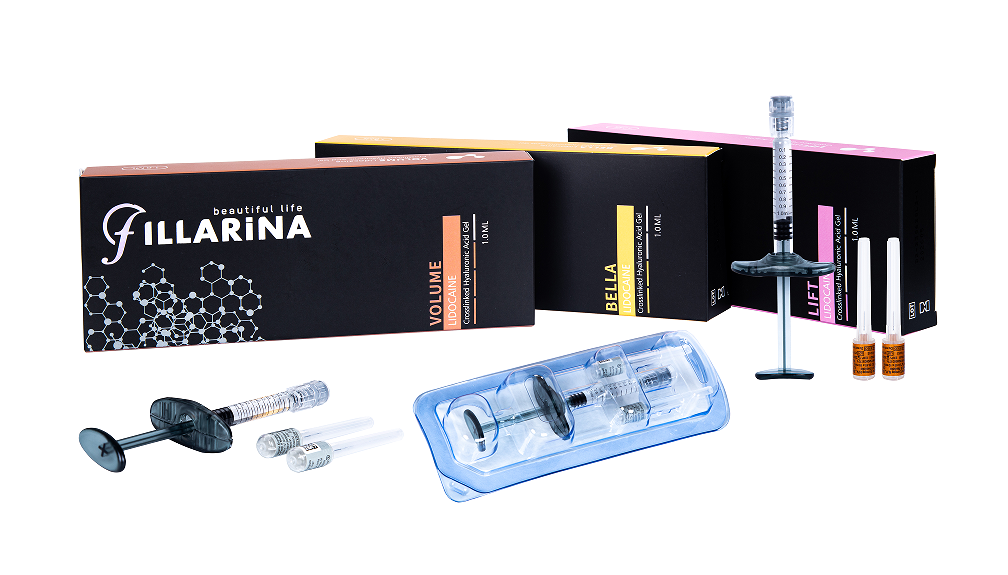
How Biphasic Hyaluronic Acid Enhances Volumisation and Body Contouring
The Science Behind Cross Linked and Free HA Synergy
Biphasic hyaluronic acid body fillers work by mixing two types of HA molecules those that are cross linked and those that remain free. The cross linked part creates kind of a framework that gives the filler its shape and structure. Meanwhile, the free HA molecules attract and hold onto water, which makes skin look plumper and more hydrated. This combination works similarly to what happens naturally in our own bodies' tissues. What's interesting about these fillers is how they provide both instant results when injected and then continue working over time as they integrate into surrounding tissues. Studies from last year show pretty impressive results too. One particular study found that these fillers can keep around three quarters of their original volume even after a whole year has passed.
Mechanisms of Sustained Volume Restoration in Target Areas
When free hyaluronic acid (HA) is released slowly into tissues, it helps maintain expansion by drawing in water molecules. At the same time, cross linked HA stands up better against enzymes that would otherwise break it down, which keeps the structure intact even in areas that get a lot of movement such as the buttocks or lower legs. These fillers do more than just provide physical support though. They actually encourage new collagen growth around the HA framework, creating an extra layer of volume over time. According to clinical studies, about eight out of ten people still see results after nearly two years because of this dual action of regeneration plus volume maintenance.
Clinical Evidence: Efficacy in Gluteal and Calf Augmentation
Results from a recent 2024 clinical trial showed some pretty impressive numbers: patients experienced about a 32% boost in gluteal projection and around 19% more volume in their calves after six months. Doctors who examined these cases found that the treatments held up well even when muscles were actively contracting, which is important for daily activities. Most notably, 94% of participants expressed satisfaction with how their lower bodies looked post treatment. What sets this apart from traditional monophasic fillers? The new biphasic hyaluronic acid formula has better consistency properties. It spreads out more evenly across larger areas without forming those annoying bumps that sometimes happen with other products, leading to much smoother, more natural looking results according to the Upper Body Aesthetic Study researchers.
Structural Advantages of Biphasic vs Monophasic Hyaluronic Acid Fillers
Rheological Differences Impacting Lift Capacity and Elasticity
HA fillers that have a biphasic structure show around 23% greater elasticity (measured as G') when compared to regular monophasic versions because they're built differently with two distinct phases. When these cross linked gel particles float inside the free flowing hyaluronic acid, it creates something called dynamic viscosity. This property helps resist squishing forces but still keeps the lifted appearance intact, which is really important for areas of face that move a lot during expressions. Looking at actual jawline enhancement cases, research shows that after six months, most people still had about 89% of their original contour definition with biphasic products versus only 72% remaining with standard options. That kind of difference makes a big impact on how long results last before needing touch ups.
Gel Homogeneity and Tissue Integration: A Comparative Analysis
Standard monophasic gels tend to maintain consistent density throughout, which makes them less flexible when dealing with the intricate shapes of facial anatomy. Biphasic systems work differently though they create layers within the material. The cross linked microspheres act like little anchors holding everything together, while the free hyaluronic acid moves around freely between tissues, helping distribute product more evenly. Clinical studies show these dual phase materials can adapt better to curved regions like the midface area about 40% more effectively than traditional options. Most doctors report seeing much smoother results too, with around 9 out of 10 practitioners noting improved outcomes specifically in treating those tricky temporal hollows where skin tends to sag.
Head to Head Outcomes in Midface and Jawline Enhancement
When it comes to fixing those pesky marionette lines, doctors have found that biphasic hyaluronic acid tends to score better with patients overall, clocking in at around 4.8 out of 5 compared to about 4.2 for other options. The reason? These fillers work on two levels at once, adding depth where needed while also smoothing out surface wrinkles. That said, most surgeons still reach for monophasic fillers when defining the jawline sharply, especially for chin augmentation procedures where results last roughly 60 70% longer than with biphasic products. Because of this, many cosmetic specialists actually combine both approaches during treatments these days. They'll typically inject the biphasic stuff first to restore lost volume, then follow up with monophasic material for fine tuning and shaping details until they get that natural looking balance across the face.
Composition and Design: Balancing Performance in Biphasic HA Body Filler
Dual Phase Systems Mimicking the Natural Extracellular Matrix
Biphasic hyaluronic acid fillers have been designed to closely resemble what we find in our body's natural extracellular matrix or ECM for short. Around 40 percent of hyaluronic acid actually stays bound within this matrix according to research published by Zhang and colleagues back in 2023. These special fillers combine cross linked HA microspheres together with regular free flowing HA to mimic how ECM works naturally. What makes them effective is that the solid particles act as sort of building blocks providing structure, whereas the liquid part helps maintain just the right thickness so everything spreads evenly when injected. This balance becomes really important for areas that move a lot such as the gluteal folds where keeping shape over time can be quite challenging.
Role of Free HA in Hydration and Cross Linked HA in Structural Support
Free hyaluronic acid works great as a moisture magnet, holding around 1000 times its own weight in water which really helps keep tissues hydrated. Cross linked versions last much longer since they don't break down so quickly, giving good results for between 9 to maybe even 18 months sometimes. When these two forms are used together, studies show about 28 percent improvement in how well skin stays moisturized and patients report being satisfied about 19 percent more often than with regular single phase fillers when doing calf augmentation procedures. This approach tackles both the need for instant volume boost right after treatment and maintains that shape over time for better body contour outcomes.
Innovations in HA Stabilization and Hybrid Formulation Technologies
New developments such as CPM technology have made it possible for hydroxyapatite gels to maintain their structure even at high concentrations around 22.5 mg per milliliter without becoming too stiff to inject properly. Research indicates that these CPM modified fillers actually perform much better when it comes to elasticity, showing improvements of roughly 31 percent with measurements reaching about 350 Pascals on testing equipment. Plus there seems to be a significant reduction in swelling after injection, down around 23%. The latest generation products are now combining special polyol additives which help boost how well they attract moisture from surrounding tissues while still breaking down naturally over time. This combination not only makes them work better but also safer for patients undergoing treatment.
Injection Strategies and Clinical Best Practices for Optimal Results
Achieving natural looking outcomes with biphasic hyaluronic acid (HA) body filler requires precision in technique and individualized treatment planning. Providers must tailor approaches to anatomical demands while prioritizing safety, comfort, and long term integration.
Techniques for Even Distribution in Large Volume Body Areas
In extensive areas like the glutes, grid based injection protocols improve dispersion accuracy by 38% over freehand methods. Layered deposition at 45°–60° angles prevents pooling, while blunt tip cannulas reduce vascular compression risks by 72% in clinical trials. These strategies ensure uniform distribution and minimize complications during large volume augmentation.
Patient Selection and Treatment Planning for Natural Looking Outcomes
Getting the right filler consistency to match different tissue types really matters. For folks with a BMI over 28, fillers containing cross linked hyaluronic acid at concentrations above 24 mg/mL tend to work better because they provide stronger structural support where needed most. Before any treatment happens, doctors often use 3D imaging technology which finds facial asymmetries in about two thirds of all patients examined. This discovery allows practitioners to create personalized volume restoration strategies tailored specifically to each individual's unique anatomy. And when these customized plans incorporate computer models that predict how faces age naturally over time, the results speak for themselves. Most patients report being very satisfied with their appearance after one year, with around ninety four out of every hundred expressing happiness with the outcome.
Integrating Lidocaine Enhanced Formulations for Comfort and Compliance
Formulations containing 0.3% lidocaine reduce procedural discomfort by 60% without compromising HA integrity. Buffered anesthetic combinations are preferred by 83% of patients in clinical surveys, allowing for 22% larger treatment areas per session. Slow infusion rates (<0.3 mL/min) paired with real time feedback further minimize pain from tissue distension.
Safety Profile and Long Term Tissue Response to Biphasic HA Body Filler
Biodegradability and Immune Tolerance of Cross Linked Hyaluronic Acid
Cross linked hyaluronic acid extends the lifespan of HA from weeks to 12–18 months while remaining fully biocompatible. Because HA is naturally present in human tissues, immune reactions occur in fewer than 1% of cases (Journal of Cosmetic Dermatology, 2023). Its predictable degradation supports physiological adaptation, preventing sudden volume loss or inflammatory responses.
Low Incidence of Granulomas and Other Adverse Events
The occurrence rate of granulomas with these new biphasic hyaluronic acid fillers is between about 0.2 percent and 0.8 percent, which is actually quite low compared to what we saw with older types of dermal fillers on the market. For most people, common issues like swelling or bruising tend to go away pretty quickly, usually within three to seven days for around 94% of those treated. The really serious problems? Well, they're extremely uncommon happening roughly once every ten thousand treatments. And here's something important: if one of these rare but serious complications does happen, there's a treatment called hyaluronidase that can reverse it almost immediately. This reversibility gives hyaluronic acid fillers a real edge over other options such as calcium hydroxylapatite which cannot be undone once injected.
Twelve Month Follow Up on Dermal Integrity and Patient Satisfaction
Long term tracking of 172 patients revealed 83.4% satisfaction at 12 months, with 89% reporting preserved skin elasticity. Ultrasound imaging confirmed consistent integration and absence of capsular formation, affirming the safety of biphasic HA in large volume applications. Notably, 78% of participants chose touch up treatments between 14–18 months, aligning with the expected timeline of controlled biodegradation.
Table of Contents
- How Biphasic Hyaluronic Acid Enhances Volumisation and Body Contouring
- Structural Advantages of Biphasic vs Monophasic Hyaluronic Acid Fillers
- Composition and Design: Balancing Performance in Biphasic HA Body Filler
- Injection Strategies and Clinical Best Practices for Optimal Results
- Safety Profile and Long Term Tissue Response to Biphasic HA Body Filler