
 EN
EN
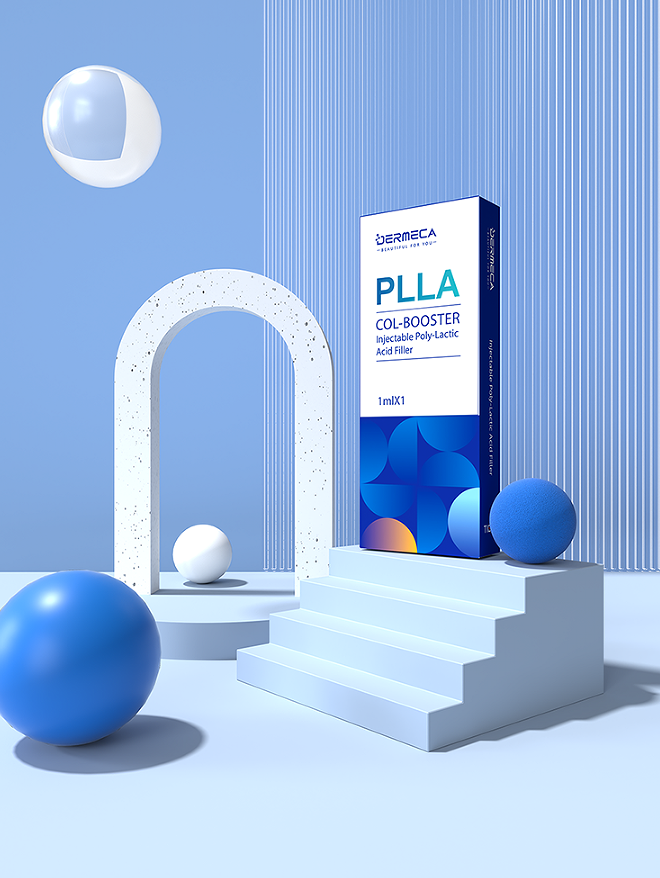
What Is Poly L Lactic Acid and How Does It Work for Facial Rejuvenation?
Understanding Poly L Lactic Acid (PLLA) Composition
PLLA, or Poly L lactic acid, comes from lactic acid which we actually find naturally inside our bodies already. What makes this material interesting is how it breaks down over time without causing problems, something doctors have known for years since they started using it in things like stitches that disappear after healing and various bone support devices. For face treatments specifically, when PLLA gets into the skin layers below the surface, it acts kind of like a framework that tells the body to start fixing itself up. This process helps maintain results longer than many other options available today.
Mechanism of Action: Stimulating Natural Collagen Production
Poly L lactic acid (PLLA) gets things going by waking up fibroblasts which are basically the workhorses behind collagen production. When these tiny particles get into the skin, they create a gentle inflammation response that kickstarts new collagen growth. A recent study from last year showed patients typically see around 6.8% more collagen density each month after treatment. Most people notice significant improvements within three to six months as their bodies build back about two thirds of what was lost due to aging faces. The experts who've looked at this closely point out that the changes happen slowly over time, giving a much more natural appearance compared to those fillers that make cheeks look suddenly full right away.
Why PLLA Is Unique Among Biostimulatory Dermal Fillers
Unlike hyaluronic acid (HA) fillers that provide instant volume through water retention, PLLA rebuilds underlying facial support. Its semi permanent outcomes—typically lasting 25—36 months—result from two key processes:
- Collagen induction — Each milliliter of PLLA stimulates 14—18 mg of new collagen formation
- Gradual degradation — The 12—18 month breakdown period supports continuous tissue remodeling
This dual mechanism makes PLLA especially effective for restoring volume in structural areas like the cheeks, temples, and jawline, where foundational reinforcement delivers more durable results than superficial filling.
Average Duration of Results: What Research Shows
The clinical data shows that when people get poly L lactic acid fillers, they tend to see results lasting anywhere from 18 to about 25 months, and we've actually seen some cases where effects last well past two full years. Looking at a recent study from 2023 that combined findings from 14 different trials, researchers found that roughly 78 percent of those who received these fillers still had at least half of their original volume boost after 24 months had passed. What makes PLLA different from hyaluronic acid fillers, which typically break down much faster (usually between 6 and 18 months), is how this material works in the body. Basically, PLLA stimulates what's called neocollagenesis. The tiny microspheres in the product actually wake up the fibroblast cells in our skin to start producing fresh collagen structures. Even once the PLLA itself gets completely absorbed by the body, this newly created collagen continues to support the skin's appearance.
Long Term Efficacy of Sculptra in Facial Volume Restoration
Sculptra, the most extensively studied PLLA based product, produces progressive improvement through three distinct phases:
| Phase | Timeline | Key Biological Process |
|---|---|---|
| Initial | 0—3 Months | PLLA microspheres attract fibroblasts |
| Collagenesis | 3—12 Months | New collagen replaces degraded filler |
| Maturation | 12—25 Months | Collagen remodeling enhances skin density |
In a 2 year follow up study of 200 patients, 92% maintained at least 30% cheek volume improvement without additional treatments, and skin elasticity increased by 41%, as measured by cutometer testing.
Recommended Maintenance Schedule to Sustain Results
For optimal outcomes, clinicians recommend:
- Initial Series: Three sessions spaced 4—6 weeks apart
- First Maintenance: 12—14 months post initial series
- Ongoing: Annual touch ups (average 0.5—1 vial per year)
Patients with accelerated collagen turnover—such as smokers or those with high UV exposure—may need maintenance 20% sooner. Combining PLLA with topical retinoids has been shown to extend results by approximately 15%, based on dermatologist reported data.
Comparing PLLA with Other Dermal Fillers: Longevity and Performance
Duration Comparison: PLLA vs. Hyaluronic Acid and Other Fillers
PLLA fillers tend to last much longer than both hyaluronic acid (HA) and calcium hydroxylapatite (CaHA) because they actually stimulate collagen production over time. Recent research from the Journal of Cosmetic Dermatology in 2024 found something pretty interesting about 8 out of 10 people who got PLLA injections still had good facial volume after two whole years. Compare that to regular HA fillers which usually start breaking down anywhere between six months to a year and a half. There are several important distinctions worth noting here though, including how these different substances work within the skin and their long term effects on tissue structure.
| Aspect | PLLA Fillers | HA Fillers | PMMA Fillers |
|---|---|---|---|
| Mechanism | Collagen stimulation | Volume replacement | Semi permanent scaffolding |
| Onset | Gradual (3—6 months) | Immediate | Gradual |
| Longevity | 18—24+ months | 6—18 months | 5+ years |
| Best Use | Structural volume loss | Fine lines, lip augmentation | Deep wrinkles/scars |
Short Term Plumping vs. Long Term Structural Rejuvenation
Hyaluronic acid fillers work by adding instant volume thanks to those water absorbing gels they contain. On the other hand, poly L lactic acid takes a different approach altogether. Instead of just filling space right away, PLLA actually stimulates the body to produce more collagen over time, which helps rebuild facial structures gradually. The downside with HA is that most people need touch ups somewhere between six and twelve months later because the effects wear off. With PLLA though, things develop more slowly. Results typically start showing around three to six months after treatment as the collagen builds up naturally. That makes this option particularly good for individuals who want something more gradual and lasting rather than an instant fix that fades away.
When to Choose PLLA Over Other Injectable Fillers
PLLA is best suited for individuals seeking:
- Long term anti aging benefits: 72% of users in a 2023 meta analysis reported improvements lasting beyond two years.
- Progressive, natural looking results: Particularly effective for midface atrophy and jawline definition.
- Enhanced skin quality: Increases dermal thickness by 25—30% in aging or sun damaged skin.
For dynamic areas like the lips or when immediate correction is desired, HA remains the preferred option. However, PLLA’s combination of structural support and skin texture improvement offers a comprehensive approach to facial rejuvenation.
Key Factors That Influence the Longevity of Poly Lactic Acid Results
Patient Specific Factors: Age, Skin Condition, and Metabolism
How long PLLA results stick around really depends on individual traits. Generally speaking, younger folks with better skin health tend to enjoy effects lasting somewhere around 2 years or so. People over 50 often find their results don't last as long because their bodies just don't produce collagen at the same pace anymore. Research published last year in the Journal of Aesthetic Medicine showed something interesting too. Those with sun damaged skin ended up keeping about a quarter less volume than people whose skin structures remained healthy. Metabolism matters quite a bit as well. Things like body mass index and hormone levels can actually speed up how fast the body breaks down these particles. Basically, the quicker someone's metabolism runs, the sooner those tiny particles get cleared out of the system.
The Role of Injection Technique and Treatment Protocol
Getting the right injection depth and proper dilution matters a lot when it comes to stimulating collagen production effectively. When PLLA is placed in the mid dermis layer, studies show around 40% more new collagen forms compared to injecting too deep down. Clinical research backs this up, though nobody really knows why exactly. Most practitioners suggest starting with two or three sessions initially, each about four to six weeks apart, so the body can gradually build up that collagen support structure. Going overboard with the amount injected, say more than 0.8 mL for each cheek area, just raises the chance of those annoying little bumps forming without making results last any longer. Experience shows moderation works best here.
Lifestyle Habits That Affect Collagen Retention
Regular application of sunscreen helps prolong the effects of PLLA treatments for around 5 to 8 extra months since it protects against collagen damage caused by UV rays. People who smoke tend to see their results fade much quicker though, often losing volume at a rate that's 34% faster because nicotine narrows blood vessels and hampers skin circulation. Eating plenty of antioxidant rich foods makes a real difference too, boosting collagen levels by nearly 20% according to recent research. When doctors combine PLLA injections with microneedling procedures, patients typically enjoy outcomes that last about 30% longer than those getting just the injections alone.
Real World Outcomes: Case Studies and Patient Experiences with PLLA
Patterns in Repeat Treatments Among Long Term Users
Most people get told they should come back every year for maintenance, but what actually happens? According to some pretty interesting numbers, around 7 out of 10 patients stretch those appointments out to between 18 and 24 months once they finish their third treatment. Why does this happen? Well, collagen builds up over time really. Each new session typically boosts collagen production by about 5 to 7 percent compared to before. Take a look at what happened with one group of 1,000 folks who kept going with treatments for years. By the fifth year, nearly half of them were able to cut down on how often they needed maintenance without losing much of their results either, still keeping around 80% of the volume improvements they originally saw.
Bridging the Gap: Marketing Claims vs. Clinical Reality
While manufacturers advertise results lasting “up to 3 years,” clinical data suggests the median duration is closer to 15—18 months. However, 78% of patients in major studies achieved superior outcomes by adhering to three proven practices:
- Completing a full initial series (minimum of 3 sessions)
- Using daily broad spectrum SPF 50+
- Avoiding aggressive exfoliation immediately after treatment
These behaviors reduce collagen degradation by 33% compared to non compliant patients, according to 2024 dermatologic research.
Table of Contents
- What Is Poly L Lactic Acid and How Does It Work for Facial Rejuvenation?
- Recommended Maintenance Schedule to Sustain Results
- Comparing PLLA with Other Dermal Fillers: Longevity and Performance
- Key Factors That Influence the Longevity of Poly Lactic Acid Results
- Real World Outcomes: Case Studies and Patient Experiences with PLLA