
 EN
EN
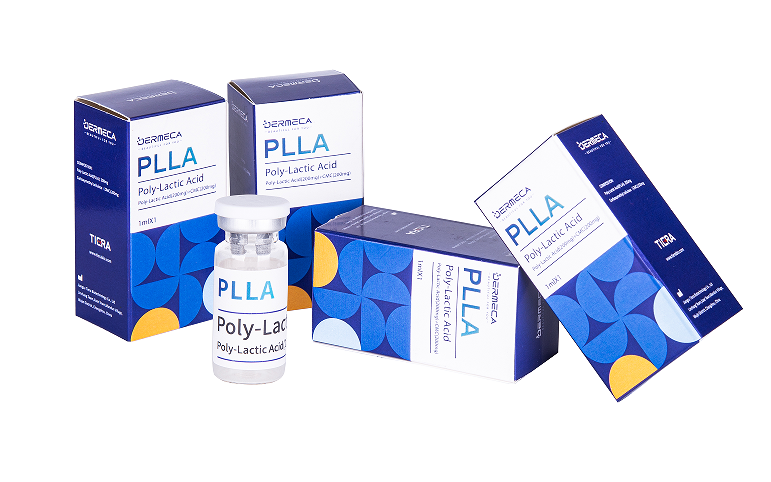
How Polylactic Acid Works: Mechanism, Timeline, and Biological Rationale
TLR-Mediated Fibroblast Activation and Gradual Neocollagenesis
PLLA works differently than most fillers because it actually stimulates collagen growth instead of just filling space temporarily. The tiny particles interact with something called TLR4 receptors found on certain immune cells in tissues. This interaction starts an inflammation process that's contained to the area and doesn't last forever. What happens next is pretty interesting. More immune cells get drawn to the site, and they start releasing stuff like TGF-beta, which makes skin cells multiply and boosts collagen production. The end result? Real new collagen forms rather than just temporary puffiness. When someone gets PLLA injections, the initial swelling goes away pretty quickly, usually within a few days. But over time, typically around three months later, people notice their skin looks better as all this new support structure builds up. Eventually, the PLLA breaks down naturally in the body through a process where it turns into lactic acid, something our bodies already handle regularly. From there, it joins other metabolic pathways and leaves the body as carbon dioxide and water. This whole breakdown process explains why most people don't have allergic reactions or other problems with PLLA long term.
Histological Evidence: Type I/III Collagen Increase at 6–12 Weeks (J Drugs Dermatol 2021)
Looking at tissue samples gives us concrete proof about how PLLA works inside the body. When we take repeated skin samples from the midface area after treatment, there's about a 38 percent boost in Type I collagen levels around week six, plus a 27 percent jump in Type III collagen which plays a big role in maintaining skin strength and forming initial structural support. At twelve weeks out, something interesting happens - those collagen fibers start arranging themselves into neat, parallel bundles similar to what we see naturally in healthy skin layers, and this actually matches up with noticeable improvements in facial volume that doctors can measure during exams. What's really important here is that even though inflammatory markers return to normal levels after roughly three months, the collagen production keeps going strong, showing that PLLA transitions from causing an immune response to becoming a sort of framework that supports regeneration. All these observations make a compelling case for using this material specifically on skin areas that have lost their natural ability to produce enough collagen due to aging or other factors.
Polylactic Acid vs. Hyaluronic Acid: Efficacy, Duration, and Ideal Patient Profiles
Sustained Midfacial Volume Restoration Beyond 24 Months with Polylactic Acid
Polylactic acid, or PLA, works differently from hyaluronic acid when it comes to restoring facial volume. While HA products give an immediate hydration boost and lift effect, they tend to break down pretty quickly in the body, usually lasting between six to twelve months. PLA takes another approach altogether by stimulating collagen production through fibroblasts, which gradually strengthens facial structure over several months and actually lasts longer. According to research published in the Journal of Cosmetic Dermatology last year, about two thirds of people who received PLA treatments still had noticeable improvements after twenty four months, whereas most HA fillers only lasted around nine and a half months on average. The fact that PLA results come from actual tissue regeneration makes it particularly good choice for cases where there's widespread volume loss beneath the skin's surface, rather than just wanting to smooth out fine lines or wrinkles temporarily.
Selecting Candidates: Fitzpatrick IV–VI Skin Types and Atrophic Midface Anatomy
Patients with Fitzpatrick skin types IV through VI tend to benefit significantly from PLA treatments compared to other options. One major advantage lies in how it works differently from hyaluronic acid fillers. While HA can lead to issues like the Tyndall effect or unwanted pigmentation changes in darker skin tones when injected too shallow, PLLA actually builds collagen deeper down in the skin layers without messing with the surface appearance. We usually see best results in individuals showing signs of midface volume loss – think flattened cheeks, pronounced nasolabial lines, and those sunken areas near the ears – especially when their skin has become thin and loses its springiness over time. Most people need around two to three appointments spaced about a month apart since the collagen production happens gradually. Before starting any injections, we always check several factors first: how thick the skin is at different spots, where blood vessels run beneath the surface, and exactly how much fat exists underneath. These assessments help determine proper needle depth and injection technique so everything gets placed safely in either the deep dermis or just below it.
Safety, Risk Management, and Clinical Flexibility of Polylactic Acid
Nodularity Prevention: Technique, Dilution, and Massage Protocols
The formation of nodules remains the biggest concern when using PLLA treatments, but these issues can actually be prevented quite effectively if proper techniques are followed. Injecting deep into the dermis layer or even below it (while steering clear of the upper papillary dermis) cuts down on granuloma risks significantly, around 70-75% according to recent studies, especially when combined with good dilution practices. Most experts recommend mixing about 8 to maybe 12 milliliters of sterile water or saline solution for each 150 mg vial. Right after injections, doctors need to give the area a thorough massage lasting roughly five minutes, making sure particles spread out properly instead of bunching together. Then patients themselves should keep massaging gently three times every day for three days straight, sweeping their fingers across the treated spots without applying too much pressure. Clinics that stick strictly to this three part approach see dramatic results, with nearly 90% fewer nodules showing up later on. The bottom line is simple really: following established protocols matters far more than worrying about minor differences between products.
Contrast with Hyaluronic Acid: Irreversibility vs. Hyaluronidase Rescue
What makes PLLA stand out clinically from HA is actually what can be problematic too its irreversibility. When someone gets PLLA injections, it starts this whole collagen production process that just keeps going there's nothing to stop it once it begins. With HA issues, we usually see them go away pretty reliably when using hyaluronidase most problems clear up within about two days. But PLLA lumps? We have to get creative sometimes with treatments not approved for this purpose, like injecting steroids right into the area, or in rare cases even cutting them out surgically. Because of this, doctors need to plan really carefully before giving anyone PLLA shots especially around areas that move a lot like lips. Patients should know upfront that results take time at least three months to show up, they develop gradually, and there's absolutely no way to reverse what's been done. From a clinical standpoint, PLLA works best for people who want something long lasting rather than something flexible. For spots that move constantly, folks new to fillers, or situations where adjustments might be needed quickly, HA still tends to be the go to option.
Integrating Polylactic Acid into Clinical Practice: Workflow, Economics, and Patient Counseling
Getting polylactic acid (PLA) integration right means making sure everything lines up properly across clinical workflows, financial planning, and how we talk to patients about this special type of treatment. We find that scheduling appointments every four weeks works best because it fits with how collagen matures naturally in the body. These sessions need to last about 30 to 40 minutes total, which is roughly 25% longer than regular filler appointments. Why? Because there's careful reconstitution involved, plus layering during injections, and then a mandatory 5 minute massage after each injection site. When clinics stick to these time frames consistently, they tend to see fewer nodules forming and generally better results for their patients over time.
From a financial standpoint, PLA treatments typically cost more per session compared to HA at around $700 to $950. However, the long term benefits often outweigh these initial costs. According to real world data from dermatology clinics, patients need fewer touch ups over time. Most folks see results lasting well past two years without needing another treatment. When offered as packages of three sessions for between $2,100 and $3,200, this approach makes the treatment more affordable for many clients while still allowing practices to maintain solid profit margins of about 35 to 40%. Practices that break down their costs clearly on invoices help establish trust with patients. Seeing separate charges for things like initial consultations, actual products used, and the specific techniques applied goes a long way toward preventing confusion or dissatisfaction after treatment.
When talking to patients, managing expectations should be at the heart of the conversation. Visual progress charts work wonders when they show how things improve step by step over 3, 6, and even 12 months rather than focusing only on what happens at the end. It helps to clearly explain how PLA builds collagen gradually compared to HA which gives an instant lift right away. Give patients those handy laminated cards that show exactly how to do their own massage properly. For Fitzpatrick IV through VI skin types, we need to stress the real benefits backed by research. These patients face much less risk of getting unwanted pigmentation or experiencing the Tyndall effect compared to other treatments or HA fillers. Clinics that mix all these approaches with 3D simulation tools tend to keep their patients coming back around 92% of the time. The bottom line is straightforward but important: clear communication, staying consistent, and having genuine confidence in our methods matter just as much as the actual products we use.
Table of Contents
- How Polylactic Acid Works: Mechanism, Timeline, and Biological Rationale
- Polylactic Acid vs. Hyaluronic Acid: Efficacy, Duration, and Ideal Patient Profiles
- Safety, Risk Management, and Clinical Flexibility of Polylactic Acid
- Integrating Polylactic Acid into Clinical Practice: Workflow, Economics, and Patient Counseling